
By Liz Dueweke, Allen Institute May 4, 2025
Collected at: https://scitechdaily.com/epic-brain-showdown-reveals-surprising-origins-of-human-consciousness/
A landmark experiment has pitted two major theories of consciousness against each other in a massive, collaborative brain study.
After seven years of work, researchers have released groundbreaking findings on human consciousness, putting two leading scientific theories to the test: Integrated Information Theory (IIT) and Global Neuronal Workspace Theory (GNWT).
- IIT proposes that consciousness arises when information within a system, such as the brain, is deeply integrated and unified. According to this view, as long as information remains unified, it is consciously experienced.
- GNWT, by contrast, argues that consciousness occurs when certain information is “broadcast” across a network of brain regions, essentially spotlighted and made widely available within the brain. This act of broadcasting is what brings information into awareness.
A Historic Scientific Showdown
In a bold and collaborative experiment launched in 2019, scientists directly compared these two competing theories using human participants. The results, published in Nature, represent a major milestone in the quest to understand where consciousness comes from.
“Adversarial collaboration fits within the Allen Institute’s mission of team science, open science, and big science, in service of one of the biggest, and most long-standing, intellectual challenges of humanity: the Mind-Body Problem,” said Christof Koch, Ph.D., meritorious investigator at the Allen Institute. “Unraveling this mystery is the passion of my entire life.”
Surprising Clues From the Back of the Brain
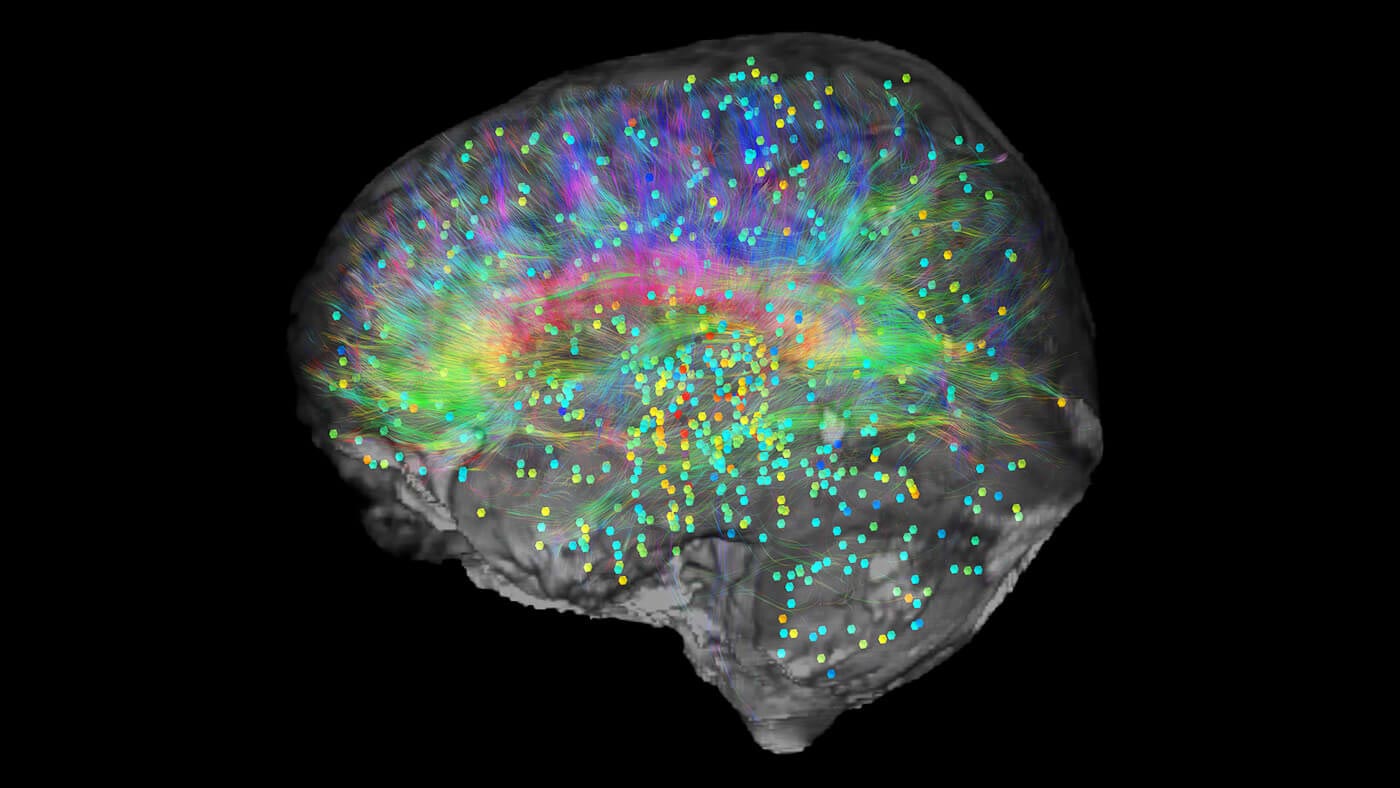
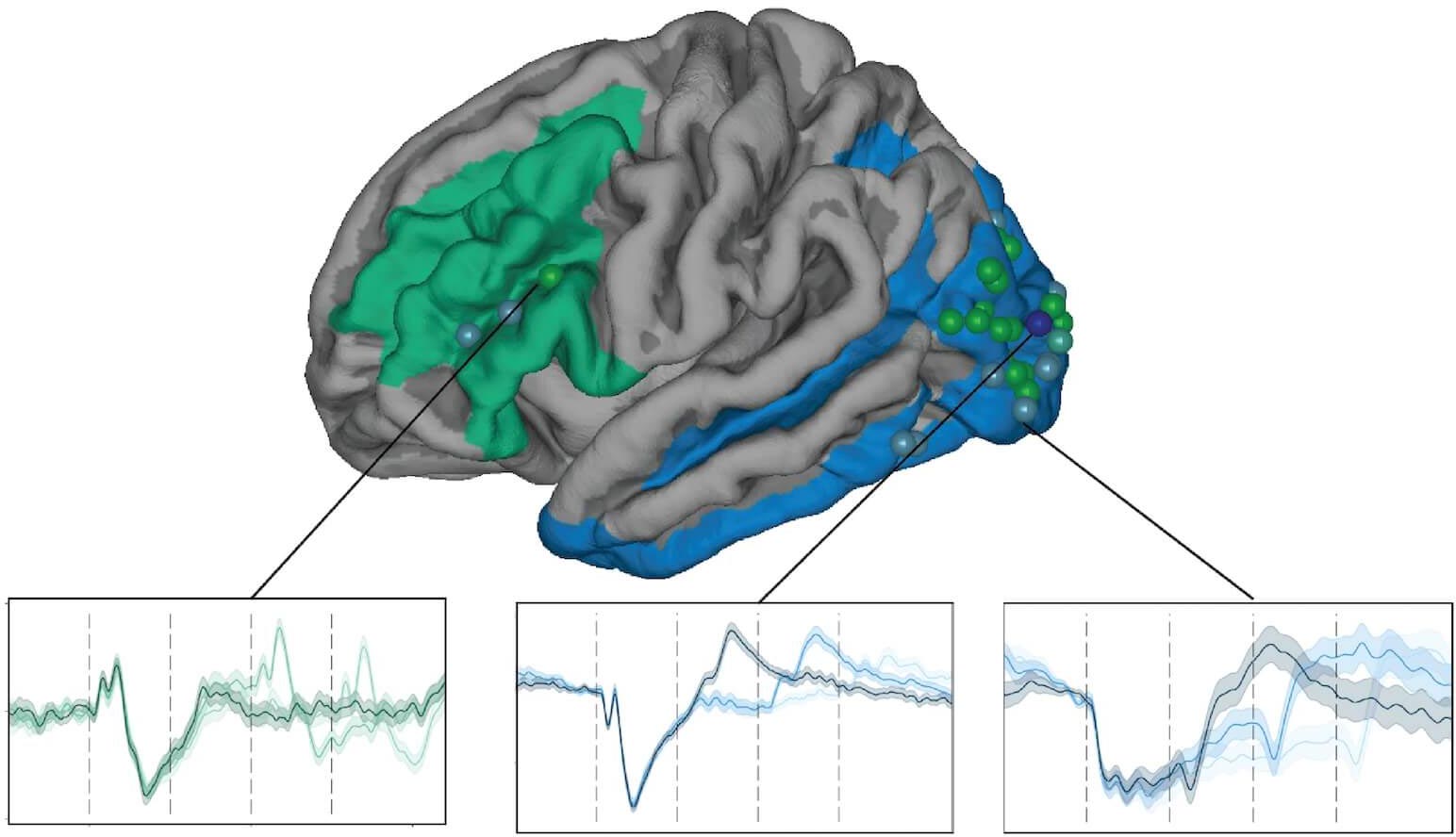
The study uncovered key functional connections between neurons in the brain’s early visual areas (located at the back) and the frontal regions. This suggests a strong link between perception and cognition, but also shifts focus away from the prefrontal cortex as the main seat of consciousness.
The findings imply that while the prefrontal cortex is essential for reasoning and planning, conscious experience may depend more heavily on sensory processing and visual perception. In simple terms, intelligence is about doing, but consciousness is about being.
The researchers also found that the back of the brain plays a critical role in holding detailed visual information, such as the orientation of an object. The frontal areas contribute too, but more in terms of identifying general categories, like recognizing an object as a face or a chair.
This challenges the long-standing idea that the front of the brain contains the full, detailed content of our visual experiences. Instead, the brain’s rear sensory regions may be more central to the richness of what we see.
Potential Medical Implications
These discoveries have implications for how we understand consciousness. Furthermore, they may shed light on disorders of consciousness such as coma or vegetative state. Identifying where the footprints of consciousness are localized in the brain could help detect “covert consciousness” in unresponsive patients with severe brain injuries—a condition known to occur in about one-quarter of cases as, reported in the New England Journal of Medicine last year.
Neither Side Wins—Yet
IIT says consciousness comes from the interaction and cooperation of various parts of the brain as they work together to integrate information, like teamwork. The study, however, did not find enough sustained connections in the back of the brain to support this idea. GNWT supports the idea that consciousness happens in the front of the brain, but the study didn’t find enough support for this idea either.
“It was clear that no single experiment would decisively refute either theory. The theories are just too different in their assumptions and explanatory goals, and the available experimental methods too coarse, to enable one theory to conclusively win out over another,” said Anil Seth, Ph.D., a professor of cognitive and computational neuroscience at the University of Sussex. “Having said all this, the findings of the collaboration remain extremely valuable – much has been learned about both theories and about where and when in the brain information about visual experience can be decoded from.
Massive Experiment, Massive Team
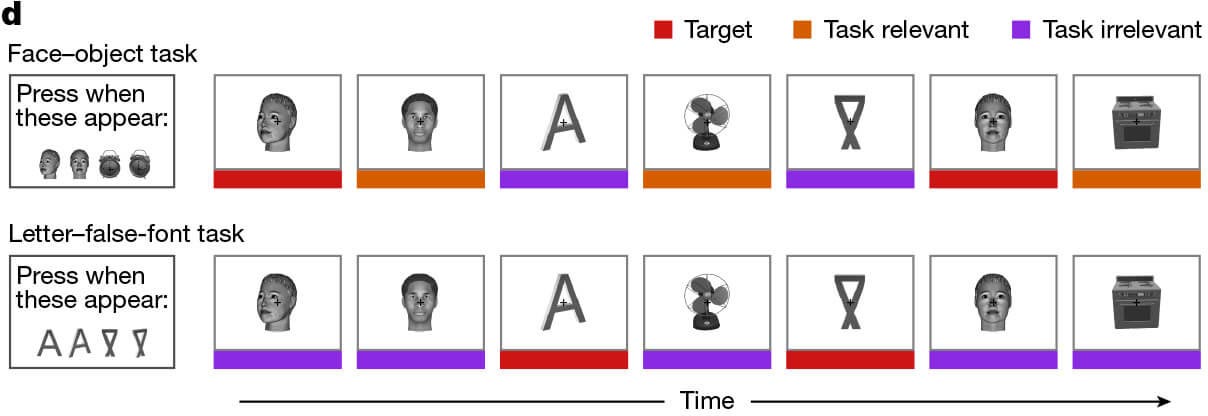
The study involved 256 subjects, which is unprecedented for this kind of experiment. Researchers showed them various visual stimuli and then used three common human brain measurement tools that track blood flow as well as magnetic and electrical activity to study their brains while they looked at the stimuli.
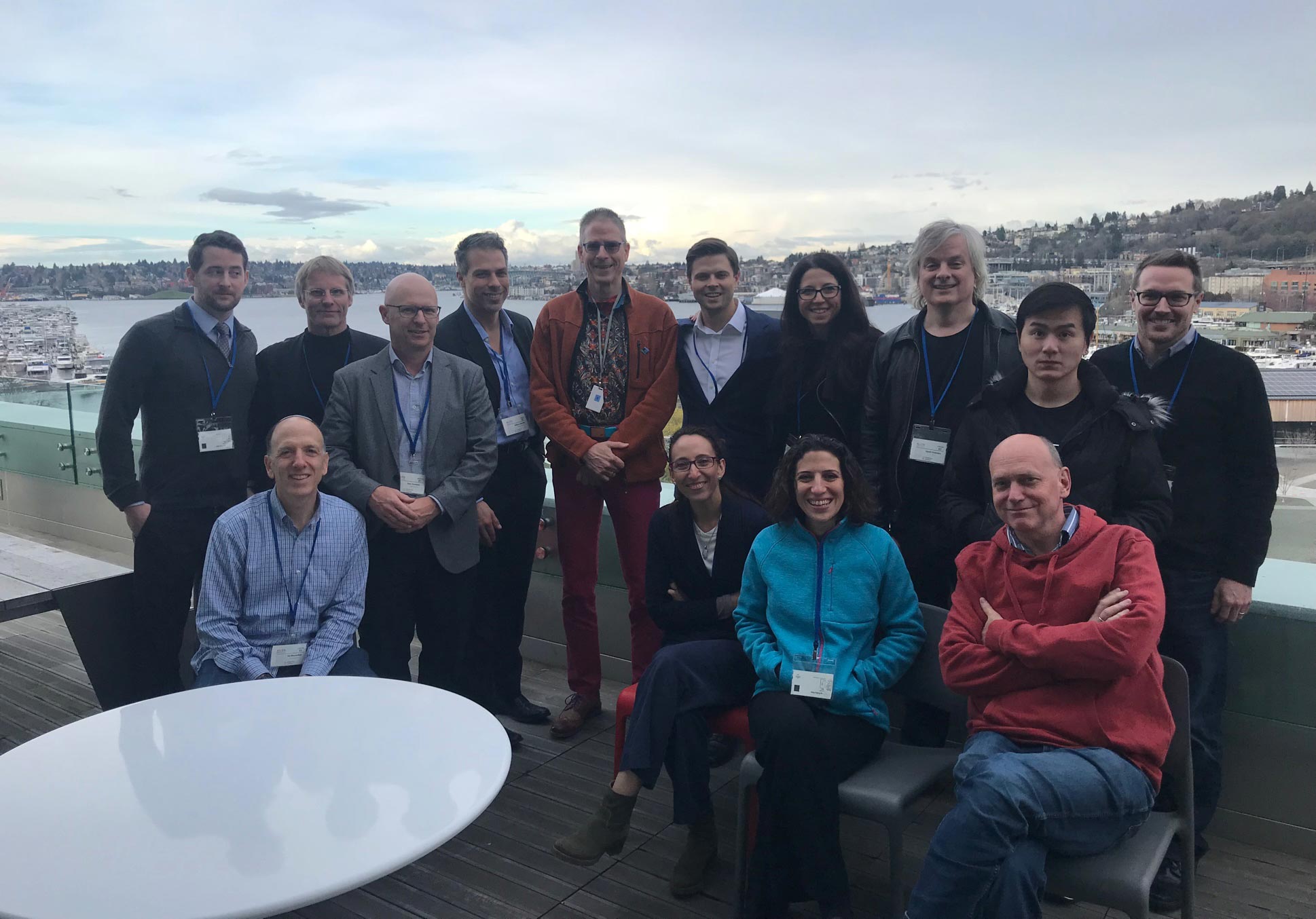
The highly collaborative experiment is the result of a large-scale, open science collaboration that began at a workshop at the Allen Institute in 2018. This innovative approach brought together researchers with differing perspectives to test two theories in a collaborative, yet critical, environment aimed at reducing confirmation bias and accelerating scientific progress.
A Model for Future Collaboration
“Adversarial collaborations are a powerful social process, little used because of their challenging nature, seeking to coordinate the research and associated protocols across many, independent laboratories, and competitive individuals,” said Koch. “The bio-medical field could hugely profit by more such ‘friendly’ competition among theories—neurobiological or others. But it requires a great deal of cooperation and constant work to keep everyone aligned.”
Reference: “Adversarial testing of global neuronal workspace and integrated information theories of consciousness” by Cogitate Consortium, Oscar Ferrante, Urszula Gorska-Klimowska, Simon Henin, Rony Hirschhorn, Aya Khalaf, Alex Lepauvre, Ling Liu, David Richter, Yamil Vidal, Niccolò Bonacchi, Tanya Brown, Praveen Sripad, Marcelo Armendariz, Katarina Bendtz, Tara Ghafari, Dorottya Hetenyi, Jay Jeschke, Csaba Kozma, David R. Mazumder, Stephanie Montenegro, Alia Seedat, Abdelrahman Sharafeldin, Shujun Yang, Sylvain Baillet, David J. Chalmers, Radoslaw M. Cichy, Francis Fallon, Theofanis I. Panagiotaropoulos, Hal Blumenfeld, Floris P. de Lange, Sasha Devore, Ole Jensen, Gabriel Kreiman, Huan Luo, Melanie Boly, Stanislas Dehaene, Christof Koch, Giulio Tononi, Michael Pitts, Liad Mudrik and Lucia Melloni, 30 April 2025, Nature.
DOI: 10.1038/s41586-025-08888-1
Leave a Reply