
Tanya Weaver Tue 14 Apr 2026
Collected at: https://eandt.theiet.org/2026/04/14/leafy-vegetables-could-mine-toxic-yet-valuable-metals-soil
Leafy green vegetables could be used to extract toxic metals from contaminated soil for use in electronics and medical technologies, according to a new study.
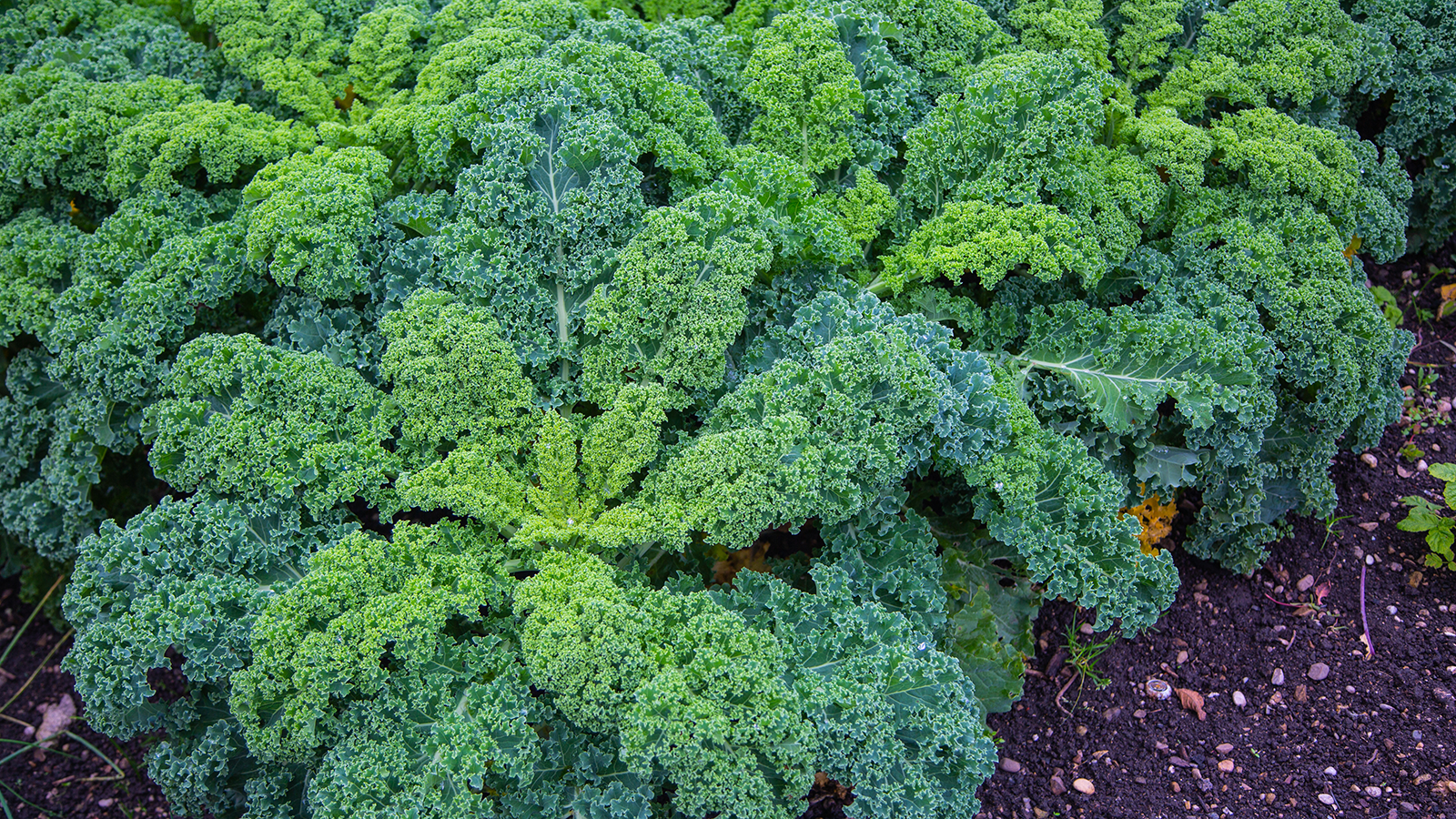
Researchers at the University of Queensland in Australia have used advanced scanning techniques to show how kale accumulates trace amounts of the heavy metal thallium from polluted soil.
Brassicaceae – which include kale, cabbage, and Brussels sprouts – are hyperaccumulators of thallium. They extract the metals through their roots and shoots, accumulating it in a crystallised form in their leaves and stems.
Thallium is a highly toxic heavy metal fatal to humans and animals. Before the 1970s it was commonly used in rat poisons and insecticides, but has since been recognised as a major environmental pollutant. Despite its high toxicity, it still has widespread use across multiple applications from specialised electronics such as semiconductors to medical scans and optical lenses.
Amelia Corzo-Remigio, a geochemist at the University of Queensland, said: “Thallium is extremely toxic, but it is also a valuable and industry-critical metal. So, while posing a significant health risk to humans, many of these same brassicaceous plants could present a clear opportunity in sustainable mining and may be compatible with metallurgical extraction methods.”
The team in the sustainable minerals institute at the University of Queensland used micro-X-ray fluorescence and X-ray diffraction mapping on live kale plants. The images revealed exactly how and where thallium is located in the plants.
Corzo-Remigio said: “In particular, we found thallium chloride crystal deposits along the veins inside the leaves. This indicates potential for phytomining [biological method of extracting metals from contaminated soil] and, potentially, a sustainable thallium supply.”
While phytomining might be an unconventional mining method, the researchers say it could become key to securing certain metals needed to advance medical technologies. It could also help rehabilitate soils and provide a more environmentally friendly means of securing metal supplies compared with traditional mining techniques.
Corzo-Remigio said: “There’s a dual need to remediate and rehabilitate soils while also supplying critical elements in the most sustainable way possible.
“It looks like plants in the Brassicaceae family can be part of the answer.”
The study – ‘The nature of thallium crystals in Brassica oleracea (kale): a synchrotron multi-technique investigation’ – has been published in the journal Metallomics.
Leave a Reply