
Intellectyx Inc March 11, 2026
Collected at: https://datafloq.com/how-to-improve-production-line-efficiency-with-continuous-optimization-2/
In today’s competitive manufacturing landscape, efficiency is more than just a goal-it’s a necessity. Every minute of downtime, bottleneck, or suboptimal process directly impacts profitability. Continuous optimization of production lines is a strategic approach that helps manufacturers enhance productivity, reduce waste, and maintain consistent quality. This blog explores the concept of continuous optimization and actionable strategies to improve production line efficiency.
Understanding Continuous Optimization
Continuous optimization is the practice of consistently analyzing and refining production processes to achieve higher performance. Unlike one-time process improvements, continuous optimization is an ongoing effort, leveraging data, technology, and process management principles to systematically improve efficiency.
Key benefits include:
Reduced downtime: Identifying bottlenecks before they disrupt production.
Higher throughput: Ensuring maximum output without compromising quality.
Resource optimization: Efficient use of raw materials, energy, and labor.
Improved product quality: Minimizing errors and defects through real-time monitoring.
Strategies to Boost Production Line Efficiency
1. Implement Real-Time Monitoring
Real-time monitoring systems collect data from machines, sensors, and operators to provide immediate insights into production performance. By tracking metrics such as cycle time, machine utilization, and defect rates, manufacturers can quickly identify inefficiencies and act proactively.
Tools & Techniques:
IoT sensors for machine performance
SCADA systems for process visualization
Dashboards for production KPIs
2. Apply Lean Manufacturing Principles
Lean manufacturing focuses on eliminating waste, optimizing workflows, and improving process flow. Continuous improvement techniques such as Kaizen encourage teams to identify inefficiencies and suggest incremental changes.
Practical Steps:
Map your production process to identify waste points
Standardize tasks for consistency
Regularly review and improve workflows
3. Predictive Maintenance
Unexpected equipment failures are a major cause of downtime. Predictive maintenance uses data from sensors and machine learning models to anticipate failures before they occur, allowing timely intervention.
Benefits:
Reduces unplanned downtime
Extends machine lifespan
Minimizes maintenance costs
4. Automation and Robotics
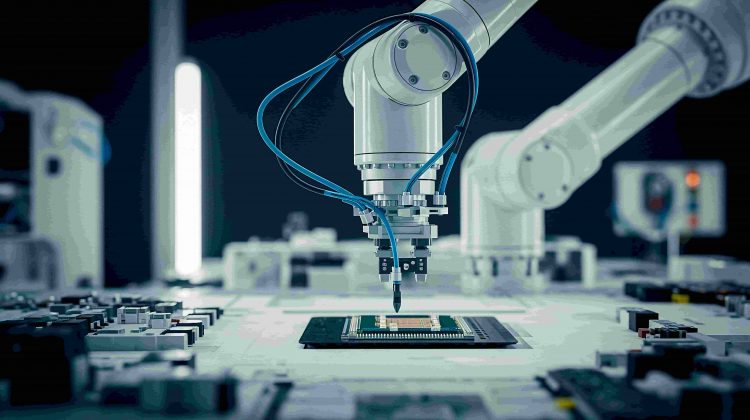
Automation improves speed, accuracy, and consistency. From robotic arms to automated assembly lines, integrating technology can significantly enhance efficiency while freeing human operators for more complex tasks.
Key Considerations:
Identify repetitive, labor-intensive tasks for automation
Ensure systems are flexible to handle production changes
Continuously monitor performance and adapt
5. Workforce Training and Engagement
Even with advanced technology, human operators remain crucial. Continuous training ensures that staff can efficiently use machines, troubleshoot issues, and adhere to best practices. Engaged employees are more likely to identify inefficiencies and propose solutions.
Best Practices:
Conduct regular skill development workshops
Encourage operator feedback for process improvements
Recognize contributions to continuous improvement
6. Data-Driven Decision Making
Data is at the heart of continuous optimization. By analyzing production data, manufacturers can identify patterns, predict trends, and make informed decisions to improve throughput, quality, and resource utilization.
Tools for Data Analysis:
Manufacturing Execution Systems (MES)
Business Intelligence (BI) software
Advanced analytics platforms
Case Example: Continuous Optimization in Action
A mid-sized electronics manufacturer implemented real-time monitoring and predictive maintenance across its assembly line. Within six months:
Production output increased by 18%
Downtime decreased by 25%
Material wastage was reduced by 12%
This example highlights how continuous optimization, when applied strategically, can deliver measurable improvements in efficiency, cost reduction, and overall competitiveness.
Conclusion
Improving production line efficiency is not a one-time task-it’s an ongoing journey. Continuous optimization empowers manufacturers to stay ahead of challenges, adapt to changing demands, and maintain operational excellence. By combining technology, lean principles, workforce engagement, and data-driven strategies, manufacturers can achieve sustainable growth and higher profitability.
For companies looking to implement continuous optimization successfully, partnering with experts in manufacturing process optimization and digital transformation can accelerate results.
Leave a Reply