
January 31, 2026 by Doshisha University
Collected at: https://phys.org/news/2026-01-conveying-concept-blue-carbon-japanese.html
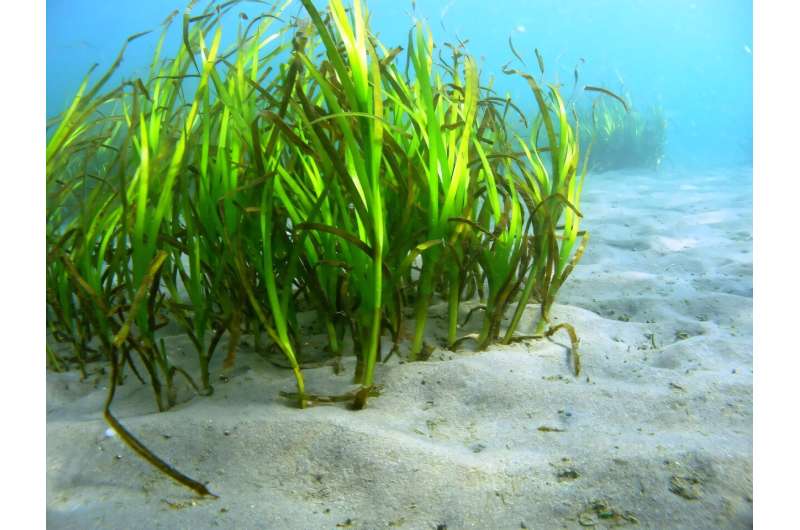
Blue carbon refers to organic carbon captured and stored by the marine and vegetated coastal ecosystems such as mangrove forests, salt marshes, and seagrass meadows. These ecosystems act as powerful carbon sinks, sequestering carbon from the atmosphere efficiently like terrestrial forests.
Recent focus on marine conservation has identified the blue carbon concept as an important factor, contributing to climate change mitigation and adaptation.
While there is a rising interest in blue carbon among businesses and investors, scholars and policymakers have also shared their concern regarding the risk and challenges. Public awareness regarding the concept, a thorough and proportionate understanding of the advantages and the risks, can lead to the promotion of sustainable marine activities, shielded from profit-driven models.
Japan, a maritime nation with large coastal areas due to its long coastline, is a leading country promoting the concept of the blue carbon initiative. A thorough increase in blue carbon awareness among the general public and government is of the utmost importance. However, the integration of science communication about the blue carbon initiative in popular media formats in Japan is limited.
Against this backdrop, a study conducted by Assistant Professor Taichi Masu from the Harris Science Research Institute and Associate Professor Yasuhito Abe from the Faculty of Social Studies, Doshisha University, Japan, examined how television media and newspapers communicate the concept of blue carbon and analyzed whether it aligns with the expectations of scientific experts.
The study was published in Marine Policy.
The study places the scientists’ perspective at the core of its research design, making it distinct from other research works on this topic.
“While working as a news anchor, I understood the challenges of effective science communication in the Japanese media. We were motivated to bridge the gap between science communication research and media communication research, aiming to improve the quality of science coverage by the mass media,” said Asst. Prof. Masu, while talking about the main motivation behind the research.
The researchers evaluated 29 television programs and 26 newspaper articles against five expert-defined criteria. These criteria helped them to understand if the coverage explains the blue carbon concept clearly, where specific examples of actual marine areas are being used, and address the reasons behind the degradation of the coastal ecosystem in present times.
The study also evaluated if quantitative data were being used as scientific evidence for these reports. Additionally, the researchers examined if and how these media networks are discussing the challenges and risks of the concept.
While most media coverages highlighted the concept and its potential, the researchers noticed a gap in conveying the key challenges and limitations. Most of this coverage effectively communicated the quantitative data for easy public understanding.
While marine scientists should actively engage with the mass media to spread awareness among the public, policymakers should ensure that the documents defining the terminologies of blue carbon do not spread misunderstanding.
Media professionals should also understand that presenting a balanced narrative is crucial for successful communication of the concept, taking both the advantages and difficulties into account. In order to guarantee the creation of successful communication strategies, the study highlights the need for collaboration among media professionals, policymakers, and marine scientists.
The researchers believe that the study will provide diagnostic tools for media quality from a scientific perspective, helping policymakers develop effective risk-management resources. It can also provide strategic guidance for scientists engaging with the mass media and the general public.
Talking about the long-term implications of the study, Asst. Prof. Masu concludes, “The study will help in improving the dissemination of scientific information by the mass media, which is a primary source for a broad range of the general public. This will aid the promotion of scientifically sound social activities.”
Publication details
Taichi Masu et al, Conveying blue carbon as a scientific concept: A content analysis of Japanese television and newspapers, Marine Policy (2026). DOI: 10.1016/j.marpol.2025.107028
Journal information: Marine Policy
Leave a Reply