
Tanya Weaver Thu 8 Jan 2026
Collected at: https://eandt.theiet.org/2026/01/07/capsules-tiny-biodegradable-antennas-reveal-exactly-when-patients-take-their-medication
Tiny biodegradable radio frequency antennas inside capsules communicate when a pill is swallowed, helping improve medication adherence, according to a study.
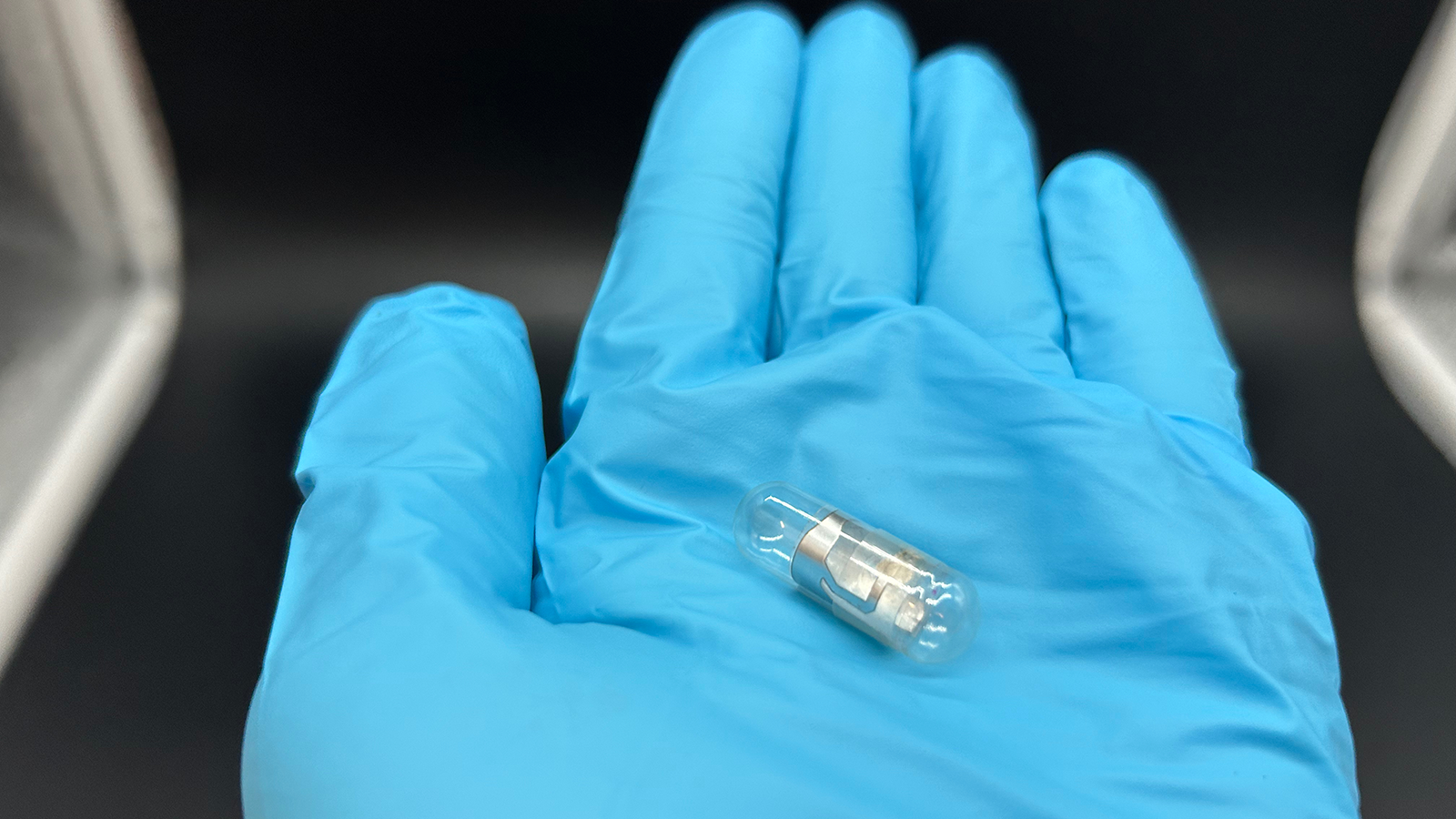
Researchers at the Massachusetts Institute of Technology (MIT) in Boston, US, have designed a system that can be incorporated into existing pill capsules to ensure patients take their medication as prescribed.
The system reports when the capsule has been swallowed via a tiny biodegradable radio frequency (RF) antenna.
The capsule itself is made from gelatine and then coated with a layer of cellulose and either molybdenum or tungsten. The RF chip is made from zinc and is embedded into a cellulose particle that is rolled up and placed inside the capsule along with the drug to be delivered. The capsule’s coating blocks any RF signal from being emitted until it has been swallowed.
Once inside the body and the signal emitted, most components of the capsule break down in the stomach, with the RF chip passing out of the body through the digestive tract.
The team undertook this research to address the challenge of patients failing to take their medicine as prescribed, which can cause preventable deaths and higher healthcare costs. The RF signal enables healthcare professionals to more closely monitor whether the medication has been taken.
For instance, it could be used by transplant patients who need to take immunosuppressive drugs or those with infections such as HIV or tuberculosis who require treatment for an extended period of time.
“The goal is to make sure that this helps people receive the therapy they need to help maximise their health,” said Giovanni Traverso, an associate professor of mechanical engineering at MIT, a gastroenterologist at Brigham and Women’s Hospital and senior author of the study.
While RF-based signalling devices for medication capsules is not new, the challenge with previous designs has been that the components are unable to break down easily in the body.
Mehmet Say / MIT
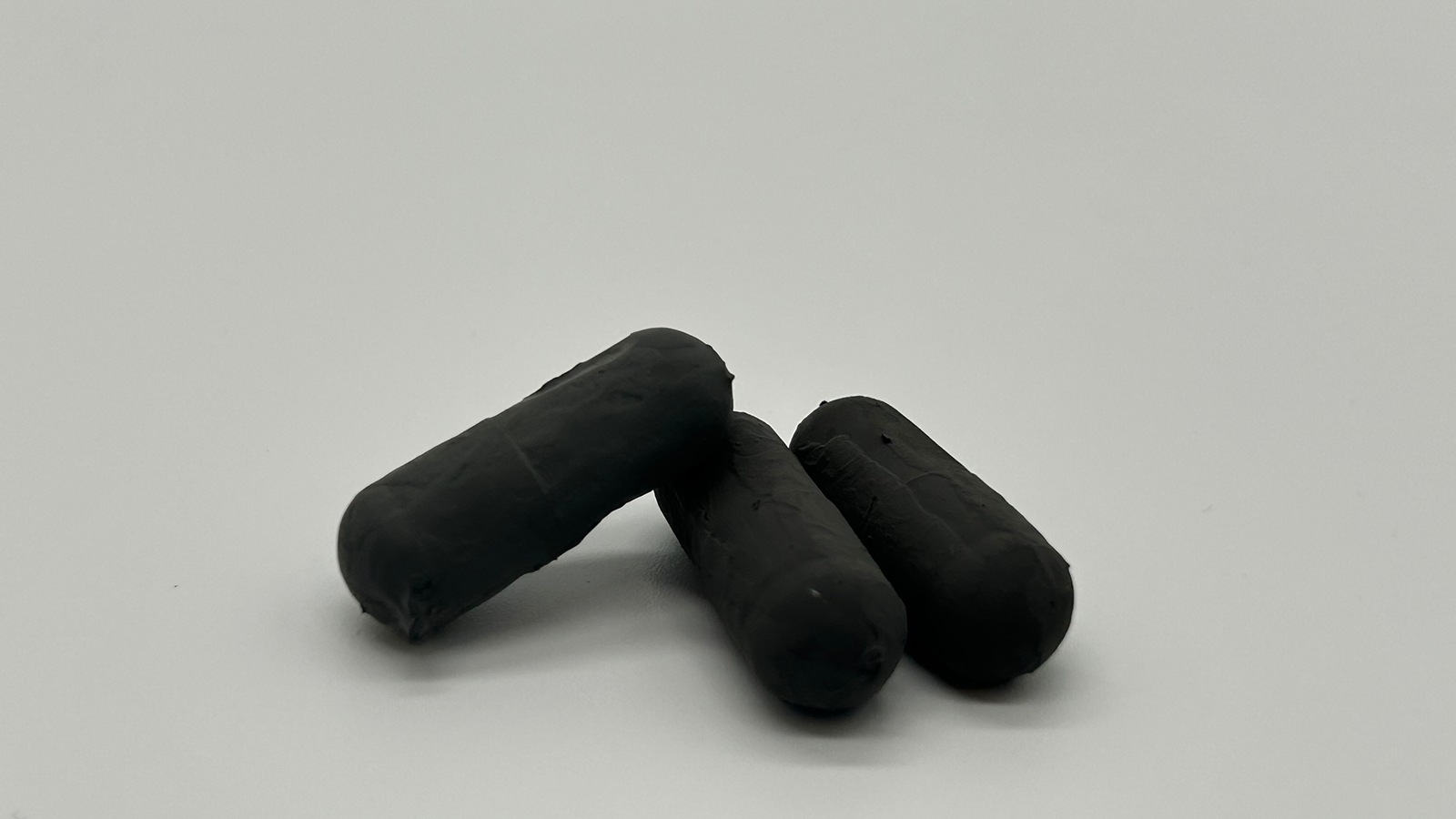
To minimise the potential risk of any blockage of the gastrointestinal tract, the MIT team decided to create an RF-based system that would be bioresorbable. In other words, the materials can be broken down in the stomach within a week.
Traverso said: “The components are designed to break down over days using materials with well-established safety profiles, such as zinc and cellulose, which are already widely used in medicine.
“Our goal is to avoid long-term accumulation while enabling reliable confirmation that a pill was taken, and longer-term safety will continue to be evaluated as the technology moves towards clinical use.”
The only non-biodegradable component is the RF chip, which is an off-the-shelf component measuring about 400 by 400 micrometers.
Once the capsule is swallowed, the antenna picks up an RF signal sent from an external receiver and, working with a small RF chip, sends back a signal within 10 minutes to confirm that the capsule was swallowed. Once its job is done, the chip is excreted through the digestive tract.
To test their system, the team undertook animal studies. These showed that the RF signal was successfully transmitted from inside the stomach and could be read by an external receiver at a distance of up to two feet away.
If developed for use in humans, the researchers envision designing a wearable device that could receive the signal and then transmit it to the patient’s healthcare team.
The researchers now plan to do further preclinical studies with the hope of conducting human trials.
The study – Bioresorbable RFID capsule for assessing medication adherence – has been published in the journal Nature Communications.
Leave a Reply