
Tanya Weaver Thu 11 Dec 2025
Collected at: https://eandt.theiet.org/2025/12/11/germanys-high-altitude-solar-aircraft-completes-ground-tests-ahead-2026-flight-trials
A HAP-alpha solar aircraft has successfully completed full system tests at a German test centre, marking a major milestone ahead of its first flight trials in 2026.
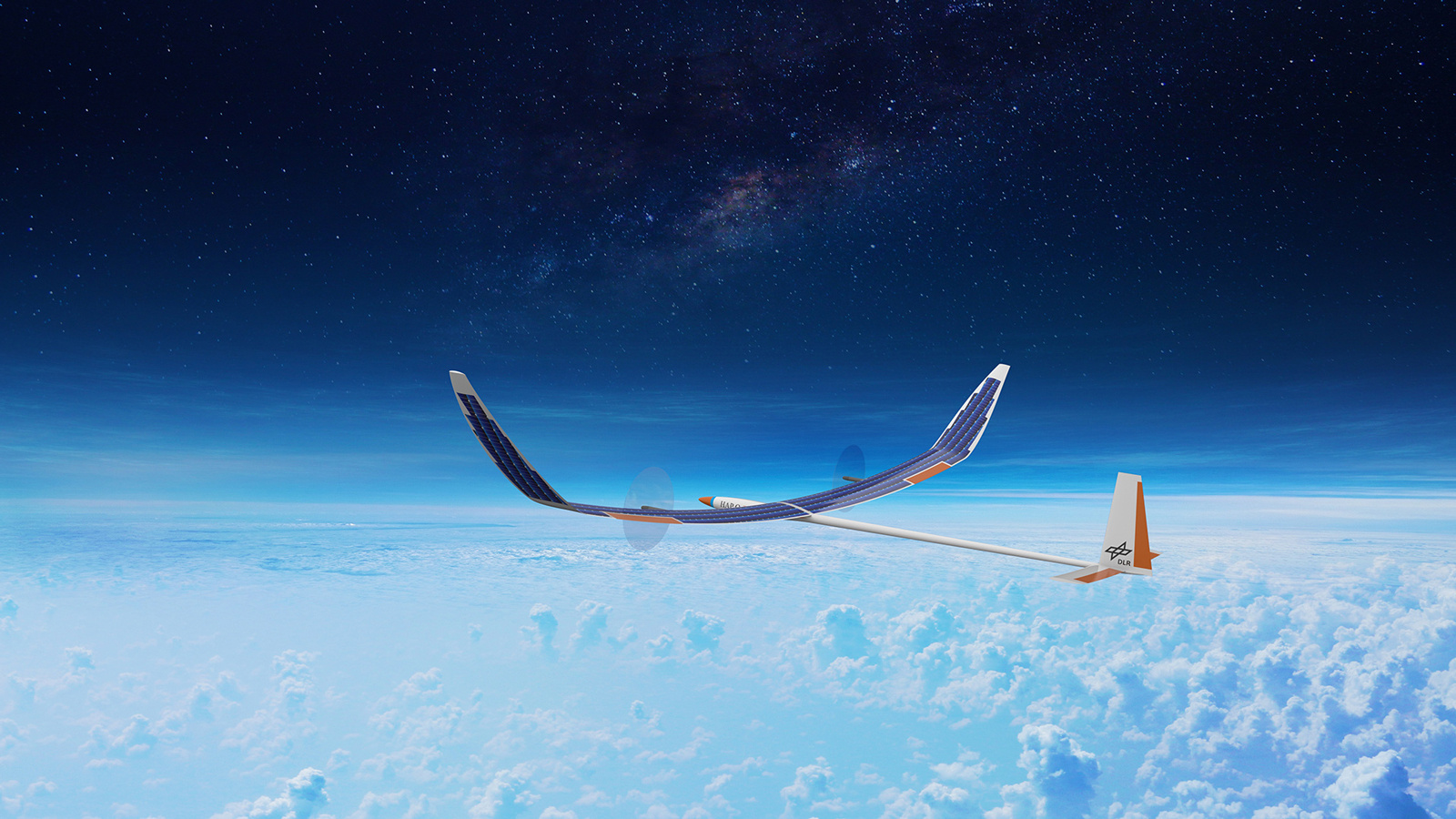
HAP-alpha is an uncrewed, autonomous solar aircraft currently in development at the German Aerospace Centre (DLR). The aim is for it to cruise for long distances at an altitude of up to 20km in the lower stratosphere, undertaking Earth observations.
In preparation for its first low-altitude flight tests in 2026, the HAP-alpha platform has successfully completed full system tests at the DLR National Experimental Test Centre for Unmanned Aircraft Systems in Cochstedt, Germany.
DLR says that its researchers have verified that all systems on the uncrewed platform are operating correctly and gathered further data relevant to handling the aircraft.
The aircraft features an ultra-lightweight structure, which weighs about 138kg, with a very large wingspan measuring approximately 27 metres. The solar cells integrated into the wings need to generate enough electrical power to continuously supply its propulsion and onboard systems with energy. To minimise power consumption, the aircraft is designed to fly at very low speeds enabled by its large, ultra-light wing.
The aircraft’s sensor systems – including a high-resolution camera system and a radar system with synthetic aperture – each weighs approximately 5kg. These sensor systems can be used to perform numerous Earth observation tasks, such as monitoring shipping lanes, reconnaissance during flood disasters and forest fires, and monitoring ice surfaces.

DLR
In spring 2025, the aircraft structure successfully passed a static vibration test. These have been followed by ground tests for the first time in its fully assembled configuration.
According to DLR, the aim of these tests was to verify whether the aircraft systems operated correctly under flight-like conditions. This involved subjecting the elastic structure to vibrations similar to those that occur during take-off or in flight.
High-precision measurement systems analysed every vibration, while the aircraft powered itself and responded only to commands received via the same radio link used in flight.
During the test, the wings and tail of HAP-alpha remained supported to prevent aerodynamic forces from damaging the delicate structure.
These tests pave the way for next year’s low-altitude flight tests, which will be limited to a maximum height of 150 metres for safety reasons. Before flight clearance can be granted, however, final measurements and integration work still need to be completed in early 2026.
According to DLR, higher-altitude flights will subsequently be carried out in remote areas, such as over the sea.
Leave a Reply