
Tanya Weaver Fri 4 Jul 2025
Collected at: https://eandt.theiet.org/2025/07/04/beeswax-put-test-sustainable-fuel-rocket-engines
Engineering students at Kingston University have turned to beeswax to power their rocket engine design.
For centuries, humans have used beeswax for a variety of purposes, including candles, cosmetics, medicine and lubricants. Students at Kingston University’s rocket lab have now discovered another use for it – as fuel for a rocket engine.
They chose beeswax because it has similar properties to paraffin, both being waxy substances made up of long-chain hydrocarbons. However, while paraffin is typically derived from petroleum, beeswax is a natural, renewable resource.
Aerospace engineering and space technology student Michaella Gapelbe Santander said: “In the industry fuels such as paraffin or [high-density polyethylene] are used as energy sources, but we decided to take a more interesting and sustainable approach by using beeswax.”
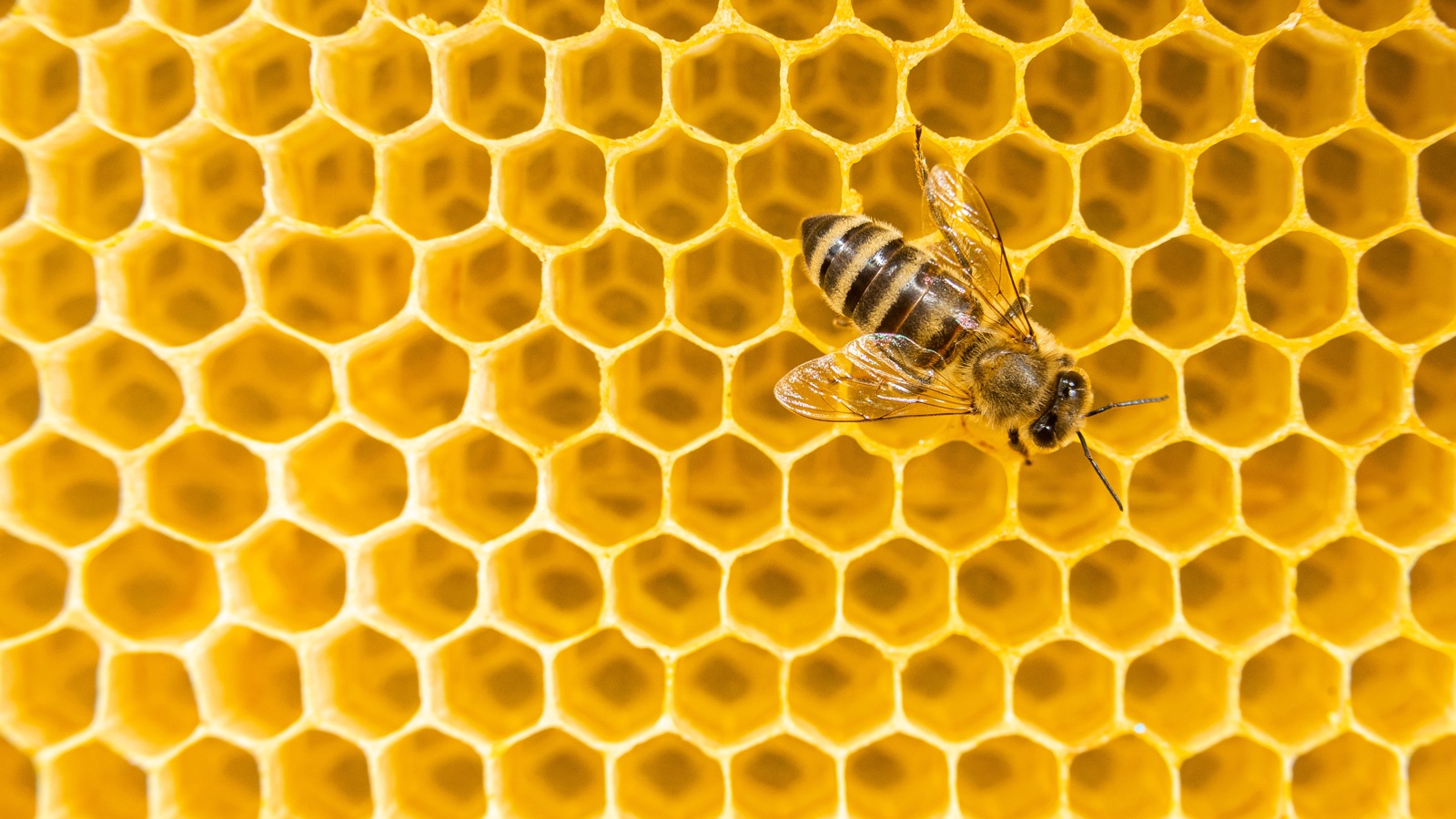
Bees produce wax to build comb for their hives. This comb features hexagonal cells that are used to store honey, pollen and larvae. Once filled, the bees cover the cells in a thin layer of wax. When beekeepers come to harvest the honey from the comb, the wax is scraped off and melted.
The eight students involved in the project sourced their beeswax from Thorne, a Lincolnshire-based beekeeping supplier. They used the high-tech propulsion lab at the university’s Roehampton Vale campus to test how beeswax would perform in a hybrid engine they had designed, providing them with high-quality data on metrics including temperature and pressure. With access to the lab’s materials and expertise, they were able to design, build, mount and test the engine on campus.
Senior lecturer in astronautics Dr Peter Shaw said: “By providing a safe space – in our on-site rocket propulsion test laboratory – we allow our students to probe the possible.
“The team did a fantastic job in examining sustainability issues around rocket propulsion and investigating novel eco-inspired solutions, mixing a love of the planet with complex engineering.”
The students are still collating data from the project, after which they will publish their findings.
Leave a Reply