
Melissa Ait Lounis Published on February 19, 2025
Collected at: https://dailygalaxy.com/2025/02/scotlands-secret-weapon-against-climate-change-wolves/
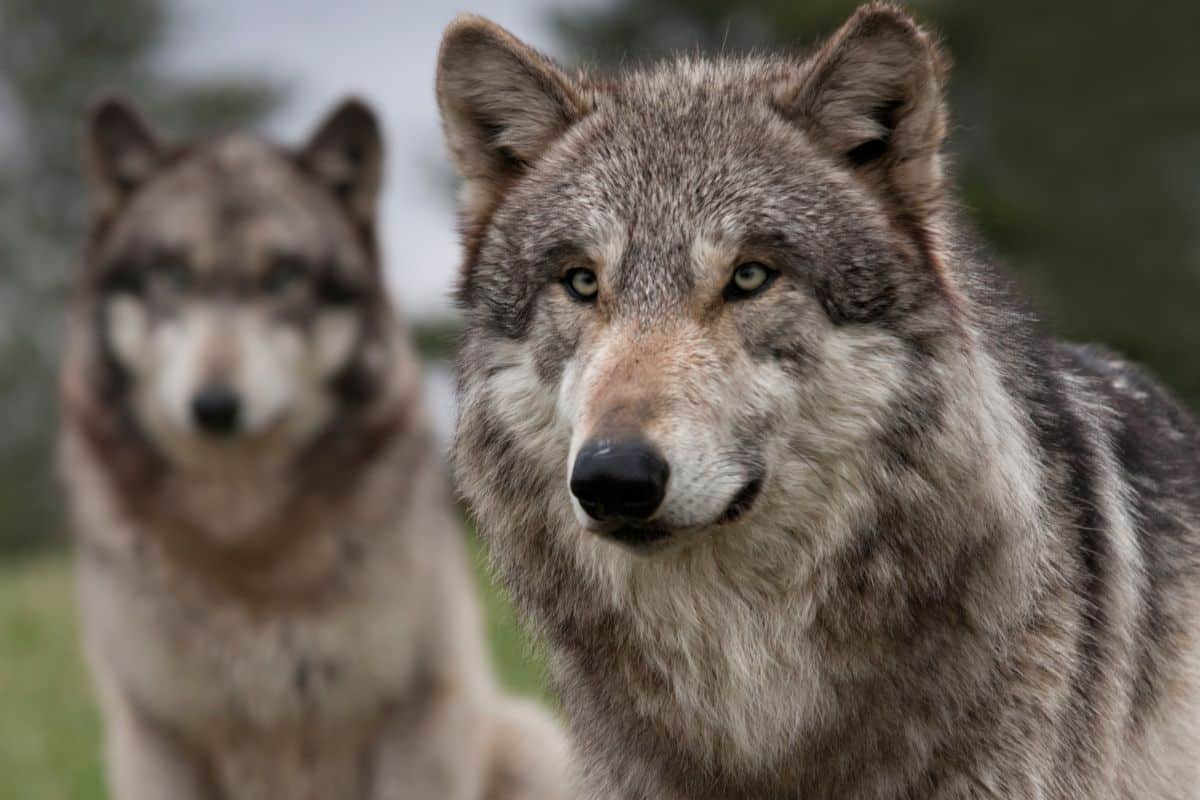
Scotland’s Highlands could soon witness a radical ecological shift—one that involves the return of a long-lost apex predator. According to a recent study from the University of Leeds, reintroducing wolves to the region might not only restore balance to local ecosystems but also contribute significantly to climate change mitigation.
By naturally controlling red deer populations, wolves could facilitate forest regeneration, leading to increased carbon sequestration—potentially capturing up to one million tons of CO2 annually.
How Wolves Could Reshape Scotland’s Landscape?
Scotland’s red deer population has grown unchecked for over two centuries since the disappearance of large predators like wolves. These herbivores graze heavily on young saplings, preventing natural woodland expansion and leaving vast areas barren.
Scientists used predator-prey models to predict the potential impact of a controlled wolf population in regions classified as Scottish Wild Land—including the Cairngorms, South-west Highlands, Central Highlands, and North-west Highlands.
Their findings suggest that introducing a pack of approximately 167 wolves across these areas could bring deer densities to sustainable levels, allowing forests to recover naturally. This, in turn, would significantly boost Scotland’s carbon storage capacity, aligning with the UK’s net-zero goals for 2050.
Wolves : The New Climate Warriors
One of the study’s most compelling revelations is the economic value of a wolf’s impact. Researchers estimate that each wolf could contribute to 6080 tonnes of CO2 sequestration annually. With current carbon pricing metrics, this means that every individual wolf could be worth around £154,000 in terms of climate benefits.
This discovery strengthens the case for large carnivore reintroduction as a nature-based solution to environmental challenges. Wolves, by fulfilling their natural predatory role, could offer ecosystem services that extend beyond biodiversity restoration—directly influencing carbon capture and climate resilience.
A Step Toward Ecological Self-repair
The research aligns with growing scientific consensus that biodiversity loss and climate change are interconnected crises. The destruction of native woodlands not only weakens local habitats but also reduces the planet’s ability to store carbon. Lead researcher Professor Dominick Spracklen emphasized that tackling both issues requires holistic, nature-driven approaches.
“We need to look at the potential role of natural processes such as the reintroduction of species to recover our degraded ecosystems and these in turn can deliver co-benefits for climate and nature recovery.” said Spracklen.
If wolves were allowed to resume their ecological role, Scotland’s forests could expand, creating habitats for other species while also enhancing carbon storage—a win-win for conservationists and climate scientists alike.
Are We Saving Ecosystems or Creating Chaos?
Despite its potential benefits, the idea of reintroducing Wild dogs remains highly controversial. Many farmers and deer stalkers fear that the presence of wolves could threaten livestock and disrupt economic activities tied to hunting and deer management.
Opponents argue that human-wolf conflicts could escalate, requiring extensive management plans to prevent livestock losses. However, advocates point to the economic advantages of a healthy, regulated wolf population:
- Lower deer culling costs, reducing government and private sector spending on population control.
- Ecotourism opportunities, similar to those in Yellowstone National Park, where wolf reintroduction has drawn visitors and boosted local economies.
- Decreased road collisions involving deer, lowering accident rates and associated costs.
Balancing these concerns requires a carefully structured approach, with input from farmers, conservationists, policymakers, and local communities to ensure that rewilding efforts align with both economic and ecological goals.
What Does The Future Hold?
The study provides a strong scientific basis for reconsidering wolf reintroduction in Scotland, but whether it will move forward depends on public support, government policies, and regulatory frameworks.
If implemented, the return of wolves could represent one of the most ambitious conservation initiatives in the UK, with the potential to transform landscapes, restore biodiversity, and strengthen climate action efforts.
Leave a Reply