
January 20, 2026 by PNAS Nexus
Collected at: https://phys.org/news/2026-01-comedic-framework.html
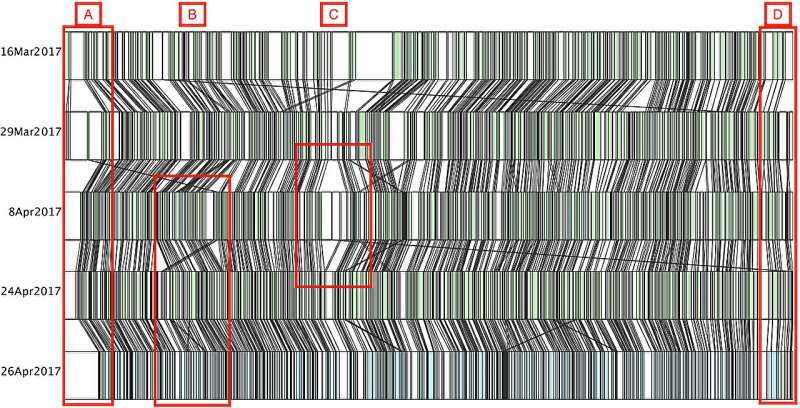
Researchers propose a computational method to reveal the hidden timing structure of live performance. Vanessa C. Pope and colleagues present a framework, called Topology Analysis of Matching Sequences (TAMS), that algorithmically detects repeated material across performances and maps its timing to visualize performance dynamics. The work is published in PNAS Nexus.
The authors applied TAMS to audio recordings from two professional stand-up comedians’ tours in the United Kingdom, analyzing multiple performances between 2017 and 2018. For the established comedian with a mature touring show, an average of 39.66% of each performance transcript matched exactly to another show, compared to only 14.22% of the show for the emerging comedian developing new material.
TAMS revealed structural features, including consistently-placed new material at the start of the show and dense sections of tightly-timed repeated content forming what the authors call content pillars. Hesitant sounds and apparent errors were used by both comedians as part of their recurring delivery. The analysis chronicles how a comedy show evolves over seven months, with material growing around successful jokes.
According to the authors, the methodology can be extended to analyze other repeated speech forms and performance types including theater, dance, and music, and can highlight the diversity and skill of live artistic performance at a time when working artists face pressure from generative AI.
Publication details
Timing structures in live comedy: A matched-sequence approach to mapping performance dynamics, PNAS Nexus (2026). academic.oup.com/pnasnexus/art … 93/pnasnexus/pgaf394
Journal information: PNAS Nexus
Leave a Reply