
Tanya Weaver Mon 5 Jan 2026
Collected at: https://eandt.theiet.org/2026/01/05/microplastics-interfere-oceans-ability-absorb-carbon-dioxide-study-finds
Rising microplastic pollution is linked to how effectively the oceans absorb atmospheric carbon dioxide, according to a new study.
Researchers at the University of Sharjah in the United Arab Emirates examined the connection between microplastic pollution and climate change, particularly in our oceans.
Their study found that, in the marine environment, microplastics disrupted oceanic carbon pumps and contributed directly to greenhouse gas emissions.
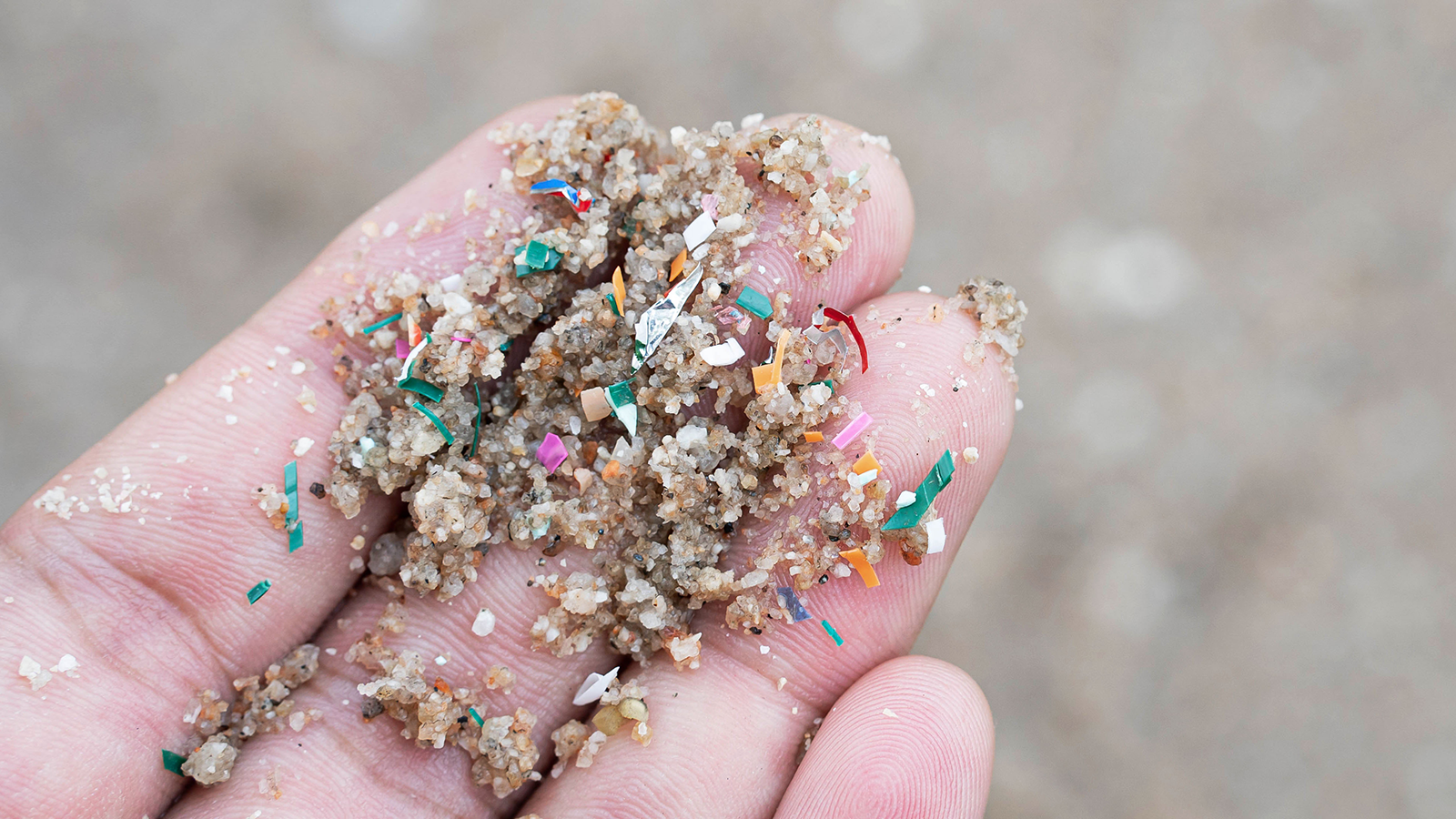
Rather than biodegrade, the large amounts of plastic circulating in our oceans simply break down into tinier and tinier pieces, producing microplastics, which measure less than 5mm long.
These microplastics are ingested by marine life, and in turn find their way into our bodies . Studies have already shown that microplastics have been detected in human arteries, lungs and placentas. They also disrupt ecosystems, harm aquatic life and reduce soil fertility.
While widely recognised as pollutants, “our study shows they also interfere with the ocean’s ability to absorb carbon dioxide, a process critical for regulating Earth’s temperature”, said Ihsanullah Obaidullah, associate professor of integrated water processing technologies at the University of Sharjah and the study’s corresponding author.
He added: “Microplastics disrupt marine life, weaken the ‘biological carbon pump’ [the ocean’s natural process that transfers carbon from the atmosphere into the deep sea layers] and even release greenhouse gases as they degrade. Over time, these changes could lead to ocean warming, acidification and biodiversity loss, threatening food security and coastal communities worldwide.”
While many studies have concentrated on identifying microplastics and developing clean-up strategies, the researchers were interested in the extent to which microplastics affect climate change, ocean health and associated systems, which they say is currently largely not well understood.
They drew on peer-reviewed articles, reports from international organisations and other authoritative sources to critically synthesise knowledge on microplastics, ocean health, climate change and related socio-environmental issues.
The researchers hope their study will bring attention to the impact microplastics have on ocean health, particularly potential ocean warming and acidification. They call for an integrated approach, stressing that microplastic pollution and climate change cannot be addressed in isolation.
Obaidullah said: “Our next step is to quantify the climate impact of microplastics and develop integrated solutions. This is not just an environmental issue; it’s a global sustainability challenge.”
The study – ‘From pollution to ocean warming: the climate impacts of marine microplastics’ – has been published in the Journal of Hazardous Materials: Plastics.
A recent article in E+T magazine (volume 20 issue 4) examined the extent to which microplastics are found throughout the human body.
Leave a Reply