
Tanya Weaver Fri 28 Nov 2025
Collected at: https://eandt.theiet.org/2025/11/28/new-electrochemical-method-boosts-uranium-recovery-wastewater
A promising new method could transform how uranium is recovered from challenging wastewater streams, according to a study.
The method – developed by a team from Shenyang Agricultural University in Shenyang, north-eastern China – combines a specially engineered covalent organic framework with an indirect electrochemical process to extract uranium.
The researchers say it is an approach that “delivers high efficiency, long-term stability and strong tolerance” in chemically complex wastewater streams.
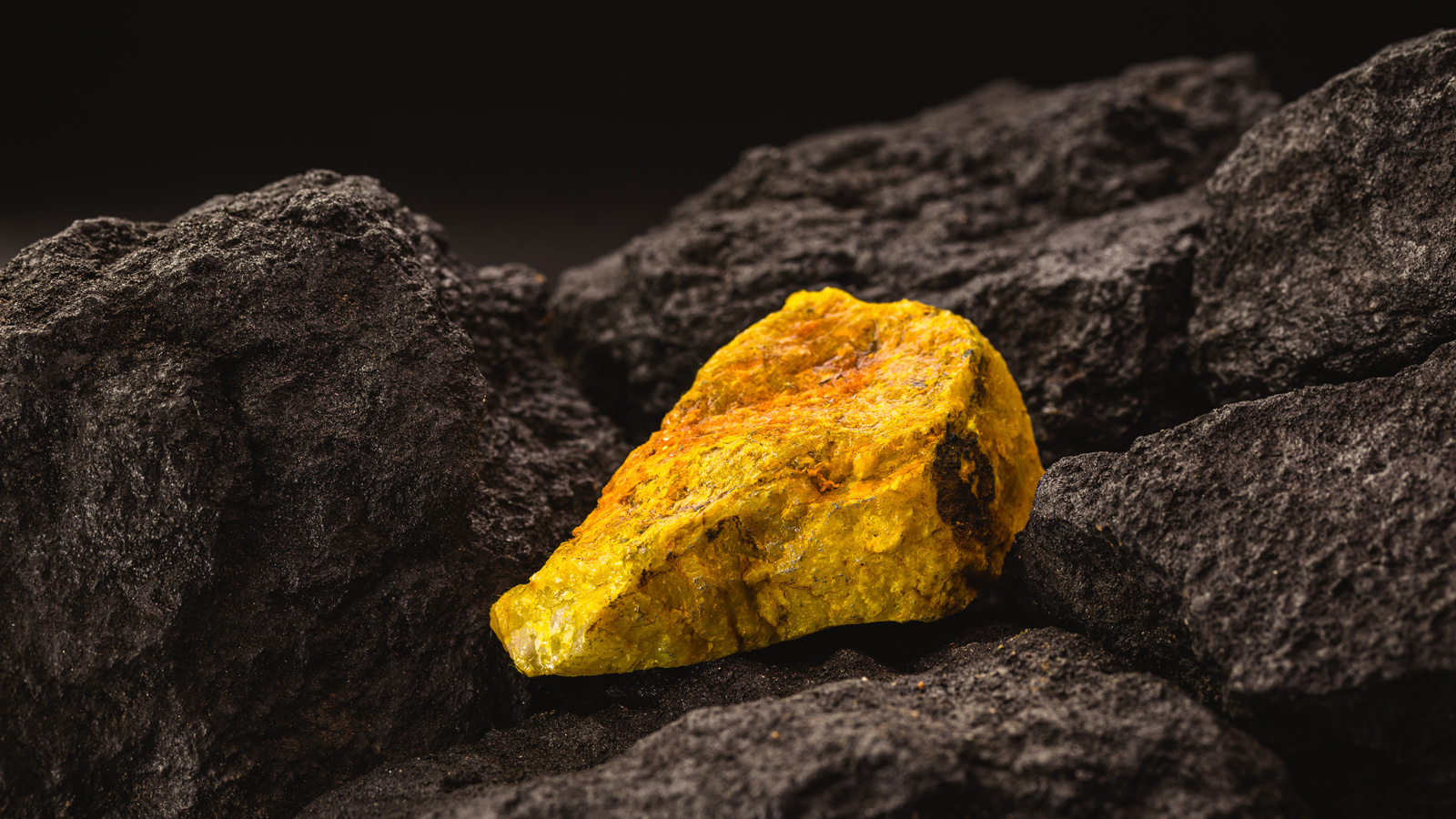
Most uranium comes from ore extracted from the earth, with mining operations concentrated in several key countries including Kazakhstan, Canada and Australia.
It is a sought-after mineral as it is used to produce nuclear energy, and so methods of recovering it from wastewater streams at mining operations and nuclear power plants have been explored. However, this is complex as uranium is often highly diluted, mixed with other elements and sensitive to chemical conditions.
While electrochemical uranium extraction has already been attempted, it has had limited success due to issues such as electrode passivation, interference from other ions and the high cost of efficient electrodes.
The researchers addressed these limitations by creating a self standing covalent organic framework electrode capable of performing two tasks simultaneously.
Built on a carbon cloth support, the electrode contains a polyarylether backbone that drives the oxygen reduction reaction to produce hydrogen peroxide, along with amidoxime groups that selectively bind uranyl ions.
According to the researchers, the combination provides a “coordinated chemical and electrochemical pathway that greatly improves the extraction process”.
During the experiments, the team discovered that the system showed resistance to interference from sodium ions and organic additives commonly found in real wastewater.
It says that even in solutions with high ionic strength or complex organic components, the electrode maintains uranium extraction efficiencies above 85%.
During long-term performance tests using organic rich radioactive wastewater, the electrode accumulated more than 9,000mg of uranium per gram of material over 450 hours of continuous operation. The teams claims this ranks among the highest values reported for electrochemical uranium extraction systems.
However, before the technology can be widely deployed in real-world environments, the researchers say several challenges remain. These include improving electrode fabrication, reducing sensitivity to pH fluctuations and preventing blockage of active sites during long-term operation.
The study – Synergistic parameter optimization in electrochemical upcycling of uranyl: mechanisms and perspectives of self-standing COF electrodes – has been published in the journal Sustainable Carbon Materials.
Leave a Reply