
Tanya Weaver Fri 3 Oct 2025
Collected at: https://eandt.theiet.org/2025/10/03/3d-printed-heat-exchanger-set-power-airbus-future-hydrogen-powered-aircraft
Advanced additively manufactured heat exchangers will feature in Airbus’ ZEROe hydrogen-electric propulsion systems.
The component has been developed by Australian heat exchanger manufacturer Conflux Technology to meet the demanding thermal management needs of megawatt-class hydrogen fuel cell systems.
The heat exchanger is currently undergoing a technology readiness maturity assessment.
Having initially announced its plan in 2020 to develop fully-electric, hydrogen fuel cell-powered commercial aircraft, in the intervening years there has been some scepticism as to whether Airbus would deliver on these plans.
However, at the Airbus summit held in Toulouse earlier this year, the European manufacturer reconfirmed its commitment to delivering its hydrogen-powered aircraft programme ZEROe.
Airbus head of future programmes Bruno Fichefeux said at the summit that its “dedication to hydrogen-powered flight is unwavering”.
Hydrogen fuel cells generate significant heat, requiring compact and efficient thermal management solutions.
Conflux said its heat exchanger had been developed through rigorous computational fluid dynamic modelling and validated in lab-scale testing. This process offers a lightweight, high-performance approach tailored to the demanding conditions of aerospace integration.
Michael Fuller, CEO of Conflux Technology, said: “Our work with Airbus marks a significant step forward in the application of additive manufacturing to sustainable aviation. Thermal management is a core enabler for hydrogen propulsion, and our expertise is helping to advance this technology from lab to flight.”
The Conflux heat exchanger is being evaluated for integration into Airbus’ broader hydrogen fuel-cell architecture, with continued development and system-level testing targeted over the next coming months.
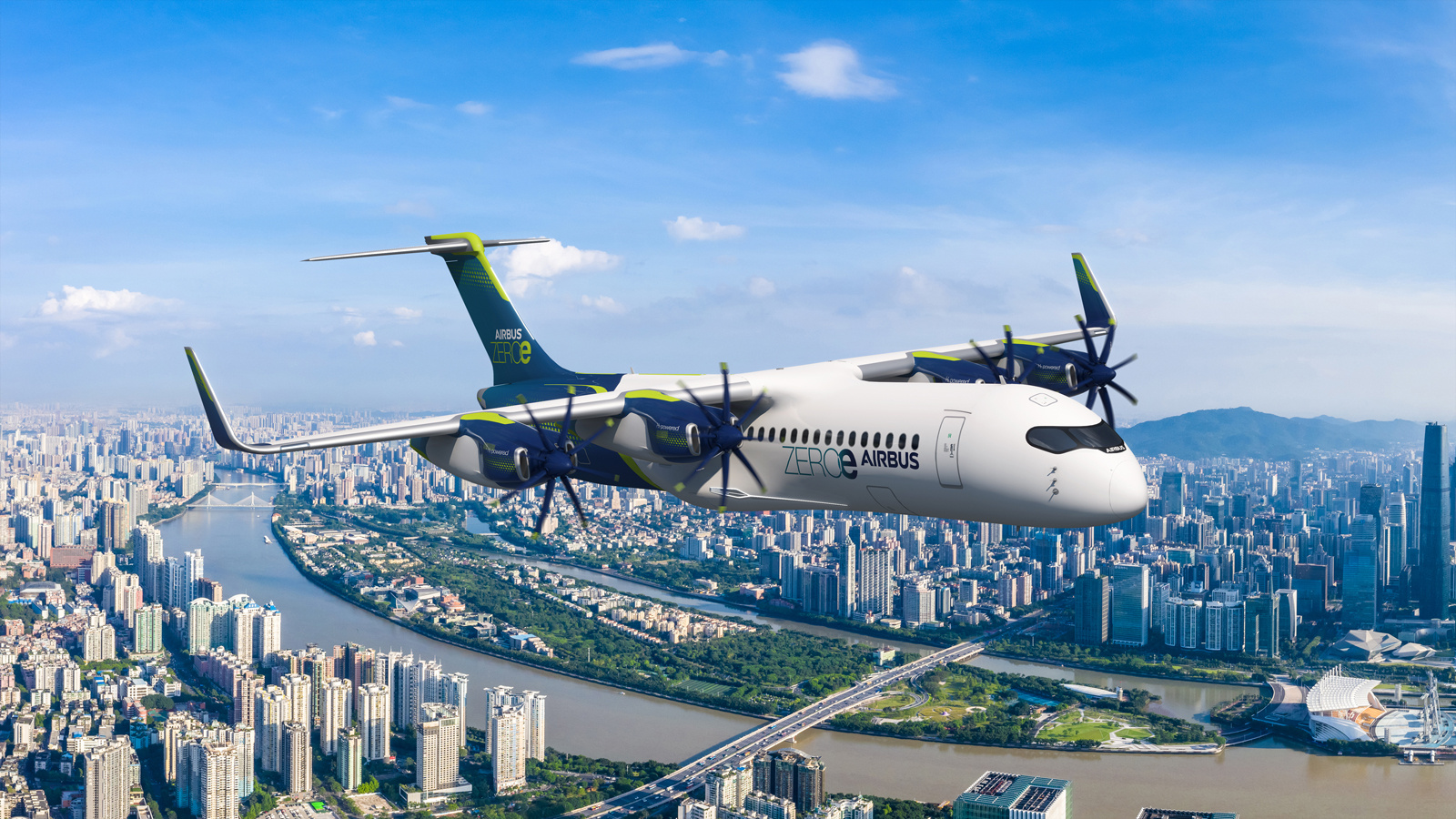
The ZEROe aircraft will include four 2MW electric propulsion engines, each driven by a fuel-cell system that converts hydrogen and oxygen into electrical energy. The four fuel-cell systems would be supplied via two liquid hydrogen tanks.
Airbus says this concept will continue to be refined over the coming years as the technologies associated with hydrogen storage and distribution, as well as with the propulsion systems, mature.
Leave a Reply