
Tanya Weaver Fri 26 Sep 2025
Collected at: https://eandt.theiet.org/2025/09/26/worlds-first-near-zero-emissions-steel-set-onshore-wind-turbines
Swedish steelmaker SSAB has produced the world’s first near-zero CO₂e steel, set for use in GE Vernova’s onshore wind turbines.
The steel – branded SSAB Zero – meets the International Energy Agency’s (IEA’s) near-zero steel and First Movers Coalition (FMC) thresholds, the first time any company has done so.
FMC, a global initiative launched in 2021 by the World Economic Forum, aims to accelerate the decarbonisation of hard-to-abate sectors, such as steel production.
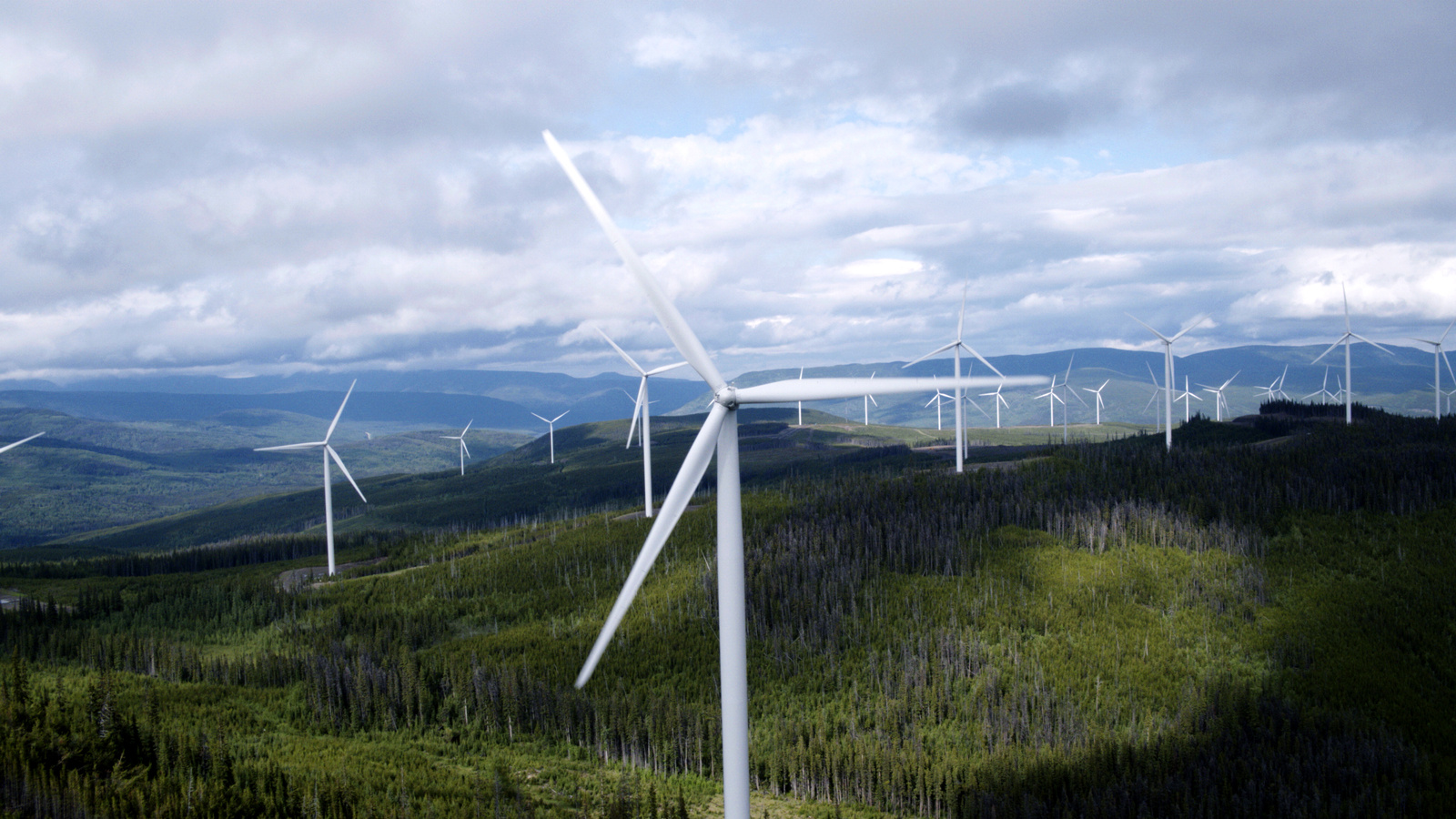
The milestone was announced at GE Vernova’s annual wind supplier conference in Iowa, US, where the global energy firm said the steel would be used in its wind towers across the country.
The steel, produced at SSAB’s Montpelier facility in Iowa, uses production techniques and materials that reduce greenhouse gas emissions from steelmaking. It is produced using ‘Hybrit’ technology, which uses recycled scrap metal and employs hydrogen-reduced iron, fossil-free electricity, biocoal and renewable natural gas.
According to SSAB, adding hydrogen-reduced iron to the manufacturing process means the steel is able to meet the IEA’s stringent near-zero emissions threshold of 50-400 kg of CO₂-equivalent per tonne of crude steel, depending on the amount of scrap metal used as an input in the production process.
Chuck Schmitt, president of SSAB Americas, said: “SSAB Zero gives our customers confidence that they’re not compromising on quality while advancing their sustainability goals. Our partnership with GE Vernova strengthens our commitment to clean energy and the security of a domestic steel value chain.”
Guy Lynch, vice-president of wind sourcing and sustainability for GE Vernova, said: “This verified near-zero-emissions steel supports our mission to electrify to thrive and decarbonise the world. Together, our companies are providing for a more sustainable and secure energy economy.”
SSAB Zero steel is commercially available and designed for end-use applications such as automotive, mining, agriculture, construction, heavy equipment, transportation and energy.
In other SSAB news, the firm recently announced that it has started construction on a new steel mill in Luleå, Sweden.
The new steel mill, equipped with two electric arc furnaces, will replace the current blast furnace-based production and is expected to eliminate approximately three million tonnes of CO₂ emissions annually, which constitutes around 7% of Sweden’s total national emissions.
With construction under way, SSAB is aiming for operations to commence at the end of 2029.
In the UK, construction has begun on Tata Steel’s electric arc furnace at the Port Talbot plant, as UK steelmakers transition to low-carbon production.
Leave a Reply