
Tanya Weaver Tue 5 Aug 2025
Collected at: https://eandt.theiet.org/2025/08/05/ultrasound-breakthrough-enables-rapid-wireless-charging-implantable-medical-devices
South Korean researchers have developed an ultrasound-based wireless charging technology capable of fully charging an implantable medical device within two hours.
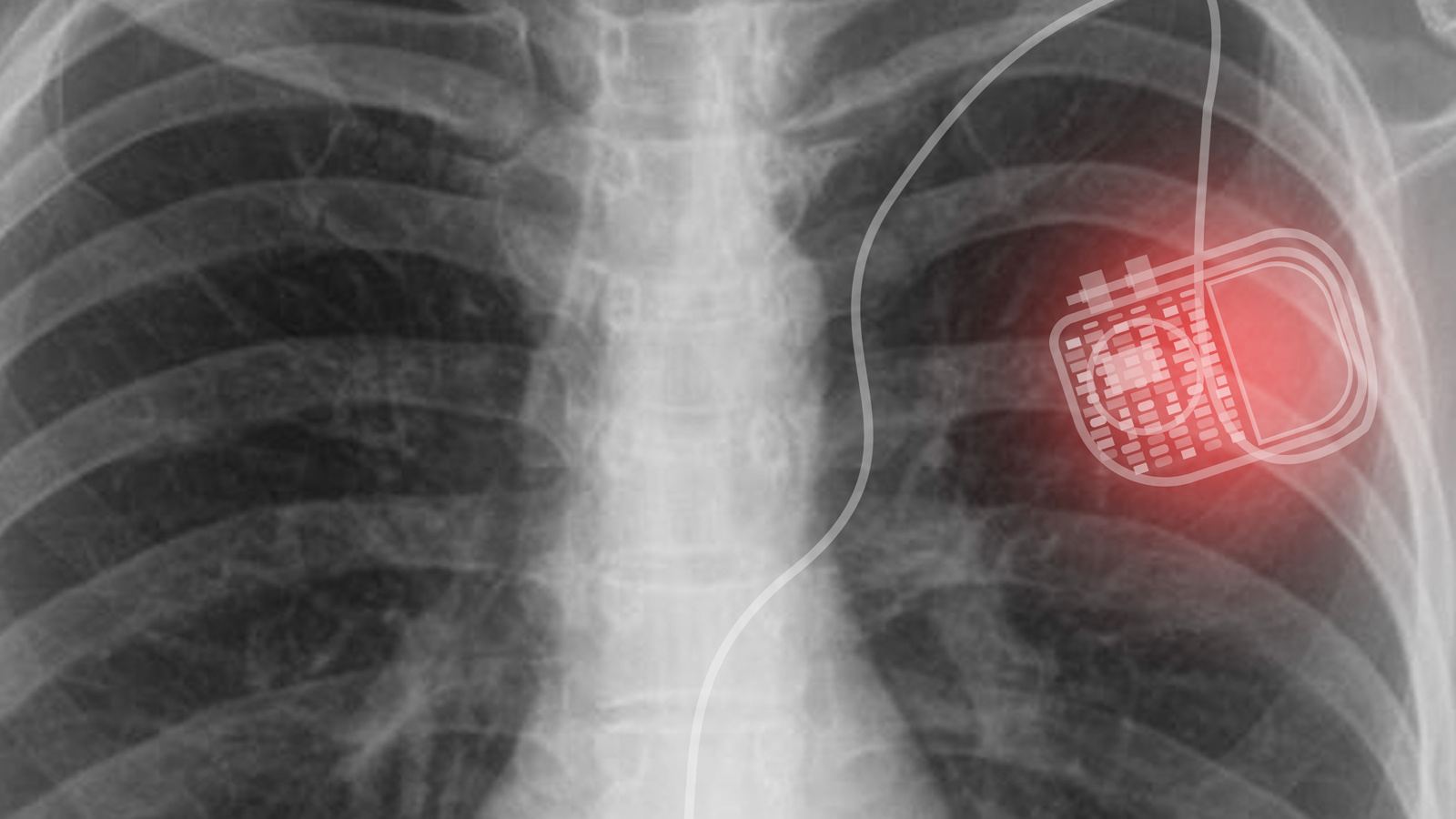
Implantable medical devices are growing in prominence. It is estimated that around 5% of people in industrialised countries have had a medical device implanted.
These devices, including pacemakers, neural stimulators and cochlear implants, are enhancing the management of various chronic conditions.
They are powered by onboard batteries, which need to be periodically replaced. This requires the patient to undergo surgery, exposing them to surgical risks and increasing healthcare costs.
A research team, led by Professor Jinho Chang from the Daegu Gyeongbuk Institute of Science and Technology (DGIST) in South Korea, has been developing technology to address this issue.
There are various wireless charging technologies – including inductive coupling, radio frequency and ultrasound – that can transfer energy from outside the body to recharge batteries in these implantable devices.
While ultrasound has previously proven promising, implantable harvesters (energy receivers) have faced limitations in size and structure.
Additionally, the ultrasound intensity that can be safely used in the human body is restricted, resulting in insufficient power output.
DGIST
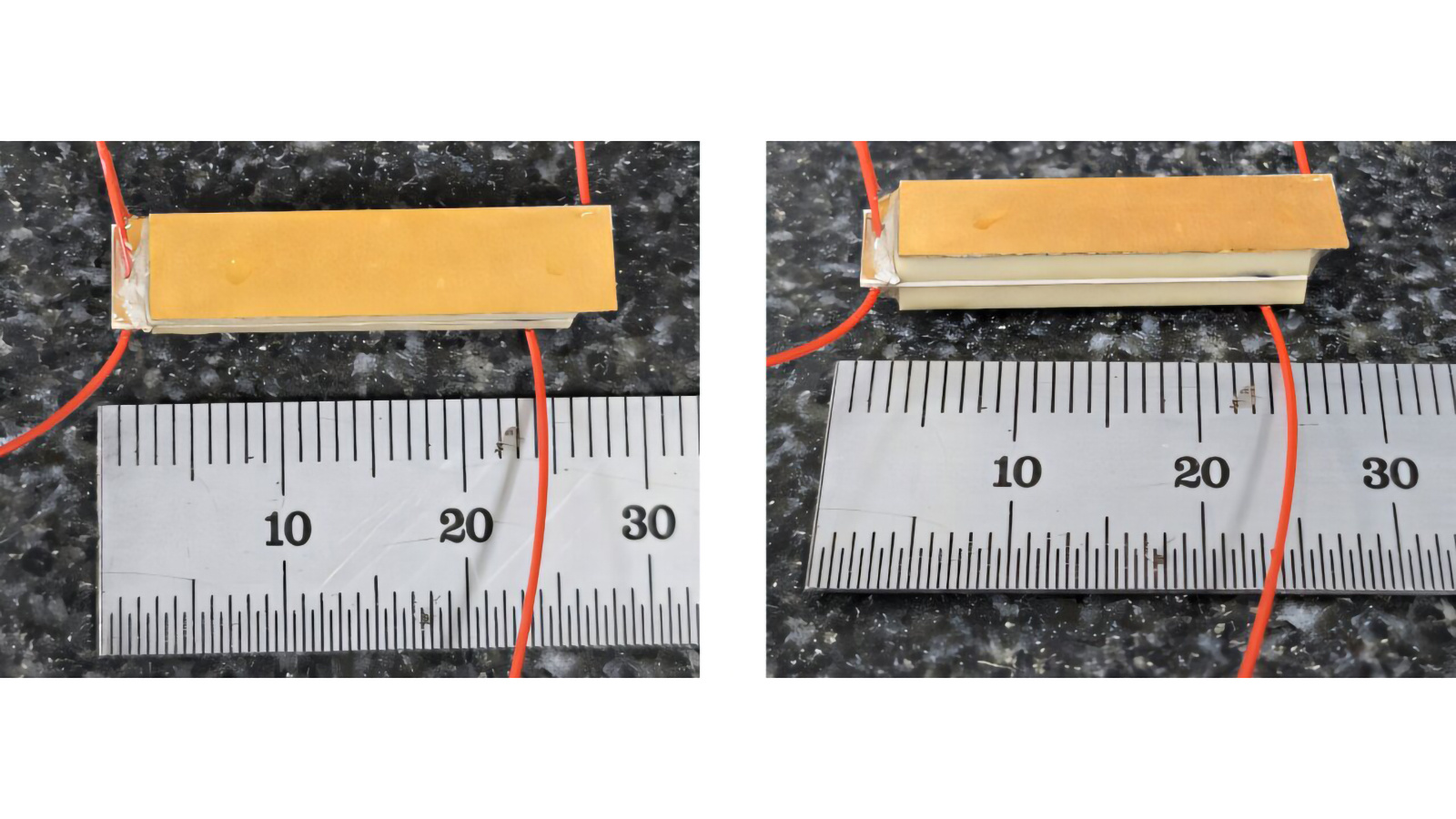
The research team developed a new type of sandwich-structured piezoelectric ultrasound energy harvester to maximise energy harvesting efficiency.
Two piezoelectric layers are stacked, with the front layer harvesting incoming ultrasound energy to generate electricity, while the rear layer captures residual ultrasound to produce additional power.
According to the researchers, by combining the output from both layers, the harvester achieves over 20% greater efficiency compared to conventional designs.
To validate the energy efficiency of this technology, the team carried out a number of tests. The first showed that a 140mAh commercial battery could be fully charged within 1 hour and 40 minutes at an underwater distance of 30mm. A further test showed that a 60mAh battery could be fully charged within 1 hour and 20 minutes using 30mm-thick pig tissue.
Professor Chang said: “This research presents an innovative technology that effectively harvests ultrasound energy, which has not been fully utilised in the past, for wireless charging of implantable medical devices.
“We aim to commercialise a system capable of fully charging within one hour by combining this ultrasound-based wireless charging technology with high-efficiency semiconductor components.”
The research has been published in the journal Biosensors and Bioelectronics.
The July/August 2025 issue of E+T includes an extensive feature on looking at how tiny medical implants are having a huge impact on human health.

Leave a Reply