
Jack Loughran Fri 25 Apr 2025
Collected at: https://eandt.theiet.org/2025/04/25/british-satellite-map-worlds-forests-3d-provide-better-climate-change-tracking
A British satellite that will map the world’s forests in 3D to keep track of climate change will be launched into space next week.
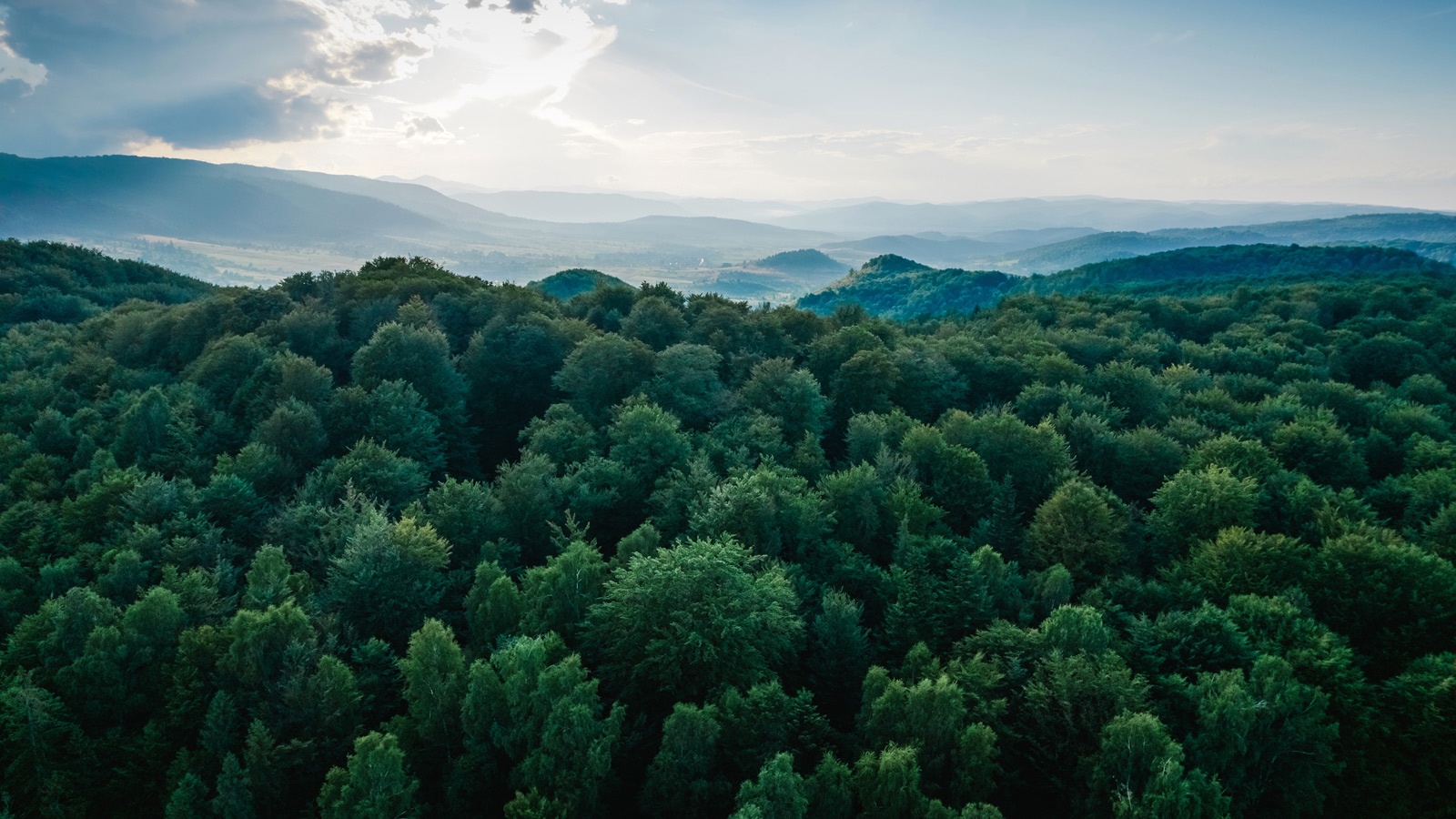
Tree coverage plays an important role in tracking climate change, with deforestation activities releasing stored carbon dioxide into the atmosphere while fresh forest growth captures atmospheric CO2.
Data from the Mauna Loa Observatory in Hawaii recently showed that atmospheric CO2 levels surged faster than expected in 2024 because of deforestation activities and a series of unprecedented wildfires.
The satellite, called Biomass, will create a 3D map of tropical forests after 17 months, then new (non-3D) maps every nine months for the rest of its five-year mission. It is hoped the data will provide unique insights normally hidden from human sight because of the difficulty in accessing dense and sometimes remote forest environments.
It will also penetrate cloud cover and measure forest biomass more accurately than any current technology, which only see the top of the canopy. By providing better data, the satellite could help create a more accurate global carbon budget and better understanding of carbon sinks and sources. This will help in developing and implementing effective strategies to achieve net zero goals.
Throughout construction, the satellite supported around 250 jobs at Airbus UK, in Stevenage, where it was manufactured.
It is planned to launch from Europe’s spaceport in Kourou, French Guiana, on 29 April. Since 2016, the UK has won almost €91m (£78m) in contracts for Biomass through its membership of the European Space Agency (ESA).
Professor Shaun Quegan from the University of Sheffield, who originally proposed the mission concept to the ESA, said: “It’s been a privilege to have led the team in the development of a pioneering mission that will revolutionise our understanding of the volume of carbon held in the most impenetrable tropical rainforests on the planet and, crucially, how this is changing over time. Our research has solved critical operational scientific problems in constructing the Biomass satellite.
“Conceived and built in the UK, Biomass is a brilliant example of what we can achieve in collaboration with our partners in industry and academia. The mission is the culmination of decades of highly innovative work in partnership with some of the best scientists in Europe and the US.”
Last year, University of Birmingham researchers found that mature oak tree forests increase their wood production by nearly 10% over a seven-year period when exposed to elevated levels of CO2.

Leave a Reply