
Jack Loughran Wed 26 Feb 2025
Collected at: https://eandt.theiet.org/2025/02/26/electrification-drive-60-uks-carbon-cuts-2040-say-climate-advisors
The government’s climate advisors have said that electrifying key parts of the UK economy will be responsible for an estimated 60% of the planned cuts to carbon emissions by 2040.
The Climate Change Committee (CCC) has presented its recommendations on how to achieve this goal, which include broad uptake of electric vehicles (EVs) by consumers and business as well as the mass installation of heat pumps.
It said that near-term investments in the low-carbon economy would yield savings later on, and that by 2050 household energy bills could be £700 cheaper than today, with household driving bills also predicted to be £700 cheaper.
Energy price shocks have been responsible for over half of recessions since the 1970s, but it said a decarbonised electricity system would hedge against major spikes in gas prices such as the one following Russia’s invasion of Ukraine in 2022.
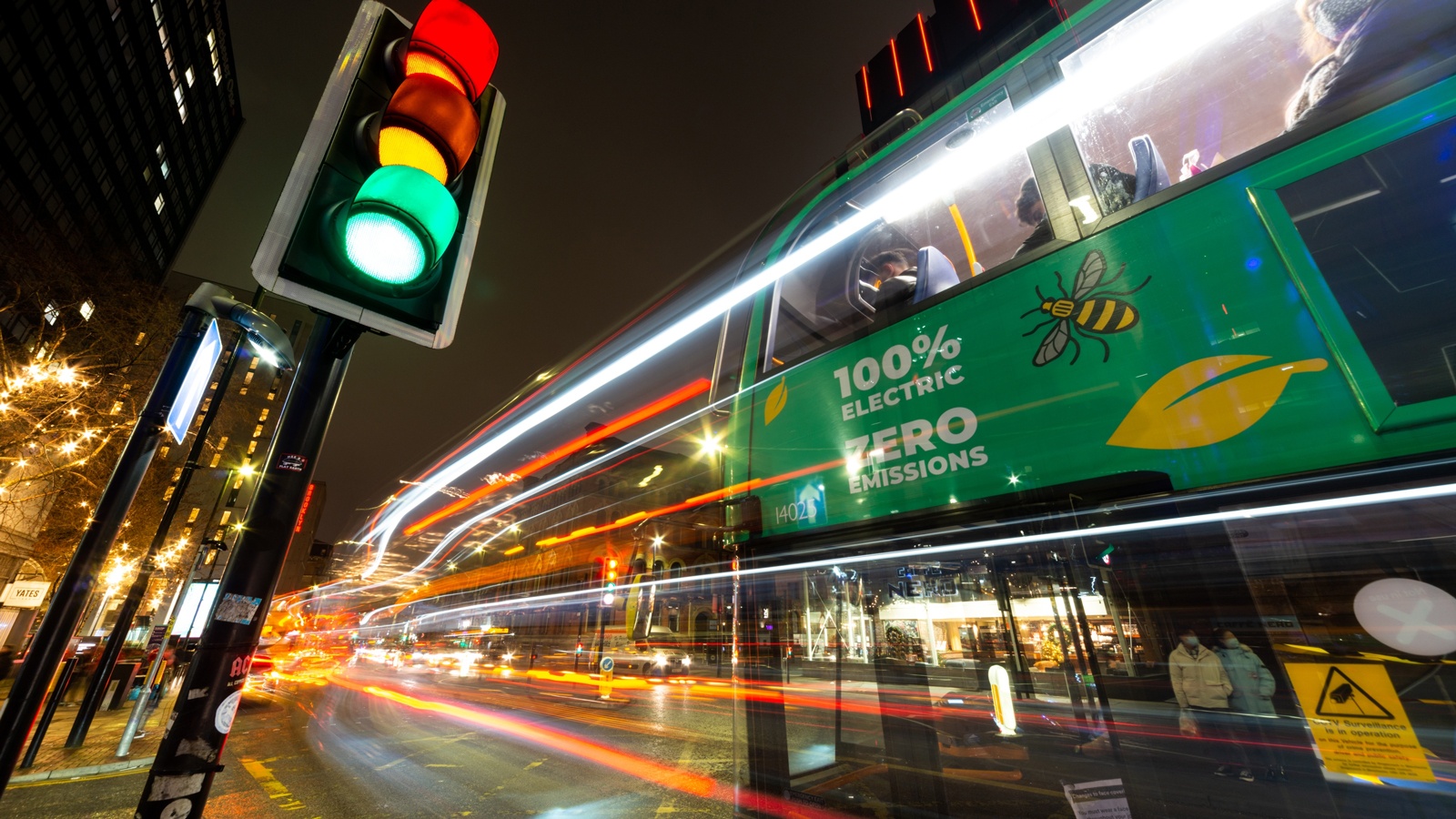
In a breakdown of where the emissions savings would be achieved over the next 15 years, the CCC said that the largest chunk (27%) would come from decarbonisation of transport. In particular, it predicts that EV sales will continue to grow as prices fall, with fully electric options accounting for nearly all new car and van sales by 2030 and making up over three-quarters of the fleet on the road by 2040. The government is currently planning to ban the sale of new petrol and diesel vehicles to consumers by 2030.
A further 14% of emission reductions will come from residential buildings, with low-carbon heating such as heat pumps responsible for the majority of that.
The electricity supply will be responsible for 12% of reductions, with decarbonisation of the grid through broad adoption of renewable energy and nuclear necessary to meet the rising energy demands from EVs and other electrification efforts.
The report identified further sectors that would help the UK meet its emission reduction targets:
– 11% will come from industry, especially through the electrification of industrial heat processes and carbon capture and storage to tackle the emissions hardest to abate.
– 7% will come from changes to agriculture and land use – low-carbon farming practices such as livestock measures and decarbonising machinery can achieve a substantial reduction in agricultural emissions.
– 5% will come from aviation through rising prices reflecting the environmental cost of flying, alongside increases in the amount of sustainable aviation fuel used by the industry.
– The final 24% will come from a broad variety of other sectors such as fuel supplies, non-residential buildings, shipping and waste.
The CCC interim chair Professor Piers Forster said: “For a long time, decarbonisation in this country has really meant work in the power sector, but now we need to see action on transport, buildings, industry and farming. This will create opportunities in the economy, tackle climate change and bring down household bills.
“Our analysis shows that there is no need to pitch action on climate change against the economy. We will need government and business to deliver the investment, but we are confident that this Seventh Carbon Budget offers a secure, prosperous future for the UK.”
Elliot Renton, CFO at Evero Energy, said: “Forecasts indicate that the international market for carbon removals could be worth $1.2tn by 2050. With the UK’s abundant geological storage and well-developed plans for clean power by 2030, the country is well positioned to become a global hub for the carbon removals sector.
“Rather than pulling back, we urge the government to set ambitious greenhouse gas removal targets that unlock this potential and drive export-led economic growth and investment in real infrastructure.”
Leave a Reply