
Jack Loughran Fri 14 Feb 2025
Collected at: https://eandt.theiet.org/2025/02/14/londons-new-super-sewer-complete-and-set-cut-thames-pollution
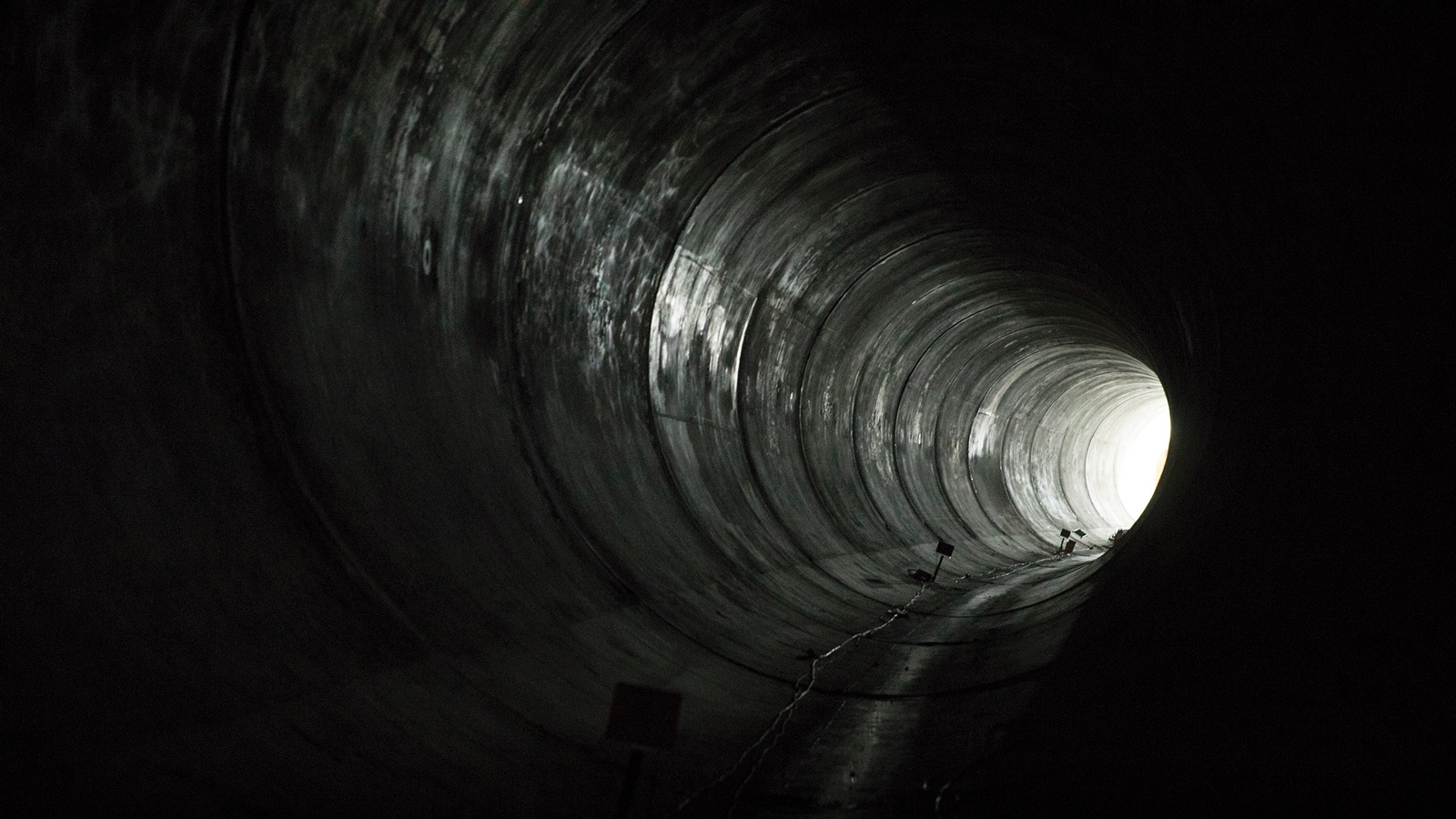
London’s new super sewer, the Thames Tideway Tunnel, has finally been completed after 10 years of works.
The sewer was first announced in 2012 as an addition to London’s ageing Victorian sewer network. While the original network was considered an engineering marvel at the time, London’s population exploded from around 7,000 people per sq km in the late 19th century to around 18,000 by the turn of the millennium. The older sewer also has to contend with increasing levels of extreme rainfall brought about by climate change.
With the original network not having the capacity to deal with these changes, excess sewage was being discharged straight into the Thames on an increasingly regular basis, breaching pollution guidelines.
The last of 21 connections to the original sewer has now been completed, allowing the entire system to be brought online for the first time. According to Tideway, the firm behind the project, the system should be able to prevent around 95% of sewage spills into the river.
The connections have been made at locations such as the starting point at Putney Embankment, Chelsea and Victoria Embankments, and Blackfriars Bridge in the heart of the City.
Tideway has published the latest data on the amount of sewage prevented from entering the river since it first started connecting the super sewer – 5,500,000m³ has been captured to date – the equivalent of 2,200 Olympic-sized swimming pools.
E+T previously covered the construction of the project in the video below:
“Our next step is to test it in storm conditions – which is why we are keeping a close eye on the weather – and we will do this over the coming months,” Tideway CEO Andy Mitchell said.
“We are at the start of a new chapter for London and its river. Our mission has always been about creating not just a tunnel, but a healthier, thriving environment for the river and its inhabitants. We look forward to seeing a real impact in the years to come and sharing everything we learn about the positive changes.”
The work of bringing the full system online began in the autumn of 2024, when Tideway announced that the first four connections had led to 589,000 tonnes of storm sewage being captured by the system on a single, rainy 24-hour period. Later that year, Tideway revealed that a further 848,365 tonnes had been captured during heavy rainfall in another 24-hour period in November.
During construction, more than 20 deep shafts – some as wide as the dome of St Paul’s Cathedral – were constructed across London to divert sewage flows and to lower tunnelling machines into the ground.
Environment secretary Steve Reed said: “The Thames Tideway Tunnel is an example of the kind of infrastructure investment needed to clean up our waterways around the country and builds on this government’s wider ambition to boost national infrastructure.”
In 2023, an environmental Freedom of Information request submitted by the Liberal Democrats revealed that Thames Water had pumped at least 72 billion litres of sewage into the Thames since 2020.
Leave a Reply